
Application fields
Overview
Designed for demanding research, simple to use every day
User-Friendly Design
- Top and side views of the tip/sample area for efficient pre-approach process
- Compact AFM head with optional Pre-Alignment tip/laser holder
AutoScan Software: Easier & Faster Automated Scan
- Auto approach (automated fast and gentle final approach)
- Autogain: realtime active AFM feedback gains
- Setpoint conditions: preset Setpoints
(For Soft, Medium or Hard interaction)
High-Performance Scanning
- Low-noise, high-resolution scanning capabilities
- Large-small area scans without changing scan head
- Consistent resolution across all scan sizes
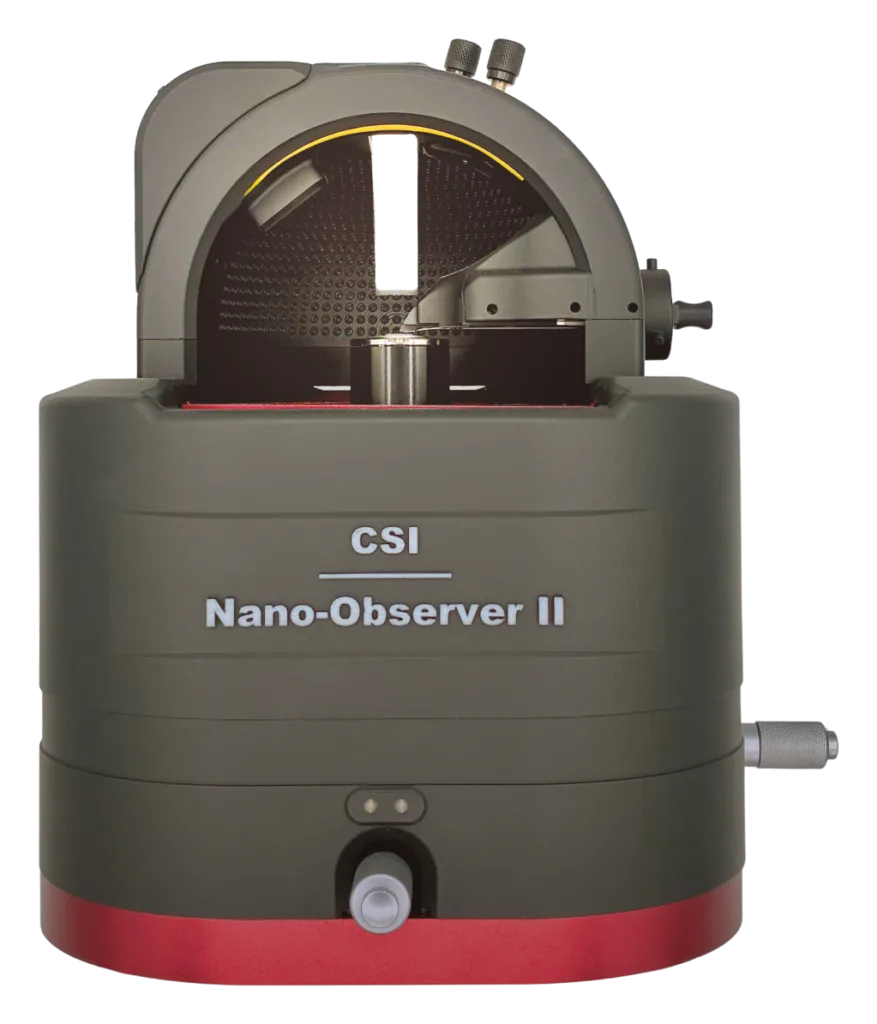
Illumination option
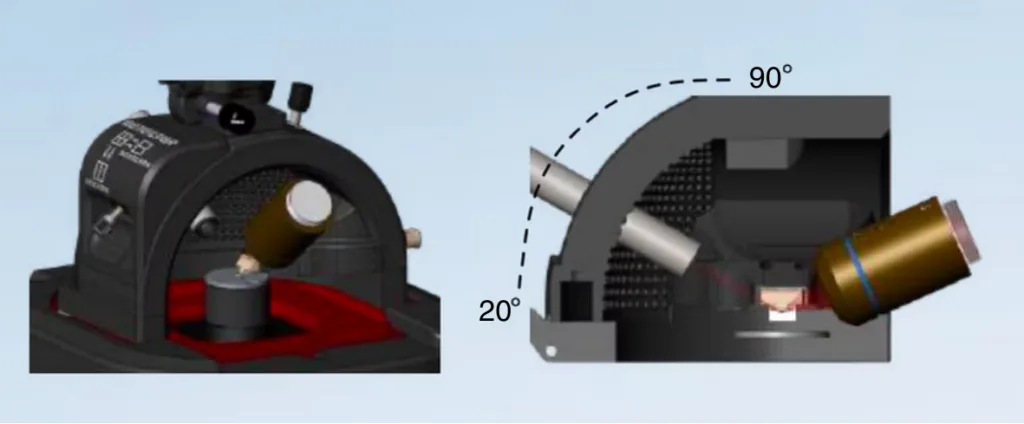
An open head, built for light
The illumination arm sweeps the light from 20° to 90° — the same range the sun covers over a day — so photovoltaic samples are measured under the conditions they see in the field.
- Continuously adjustable on a graduated arc
- Locked at any angle onto the sample
- Open head for UV, IR and Raman integration
What the Nano-Observer II Measures
Real scan results from published application studies — the same materials, the same challenges your lab faces.
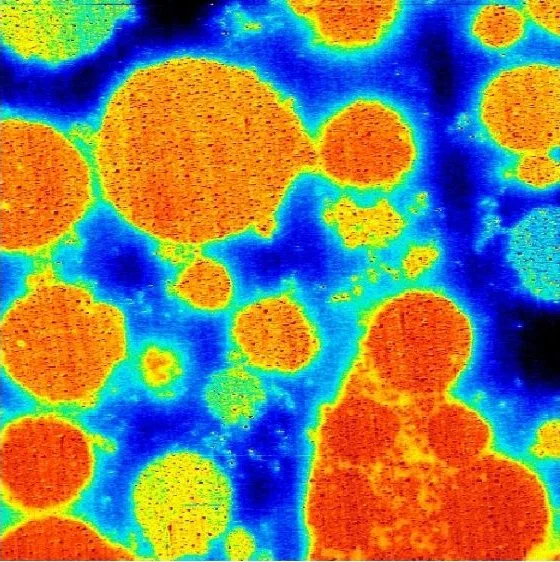
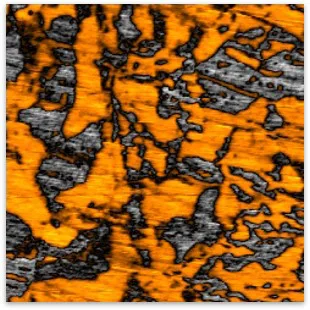
Polymer Battery Electrode — Correlated Electrical Mapping
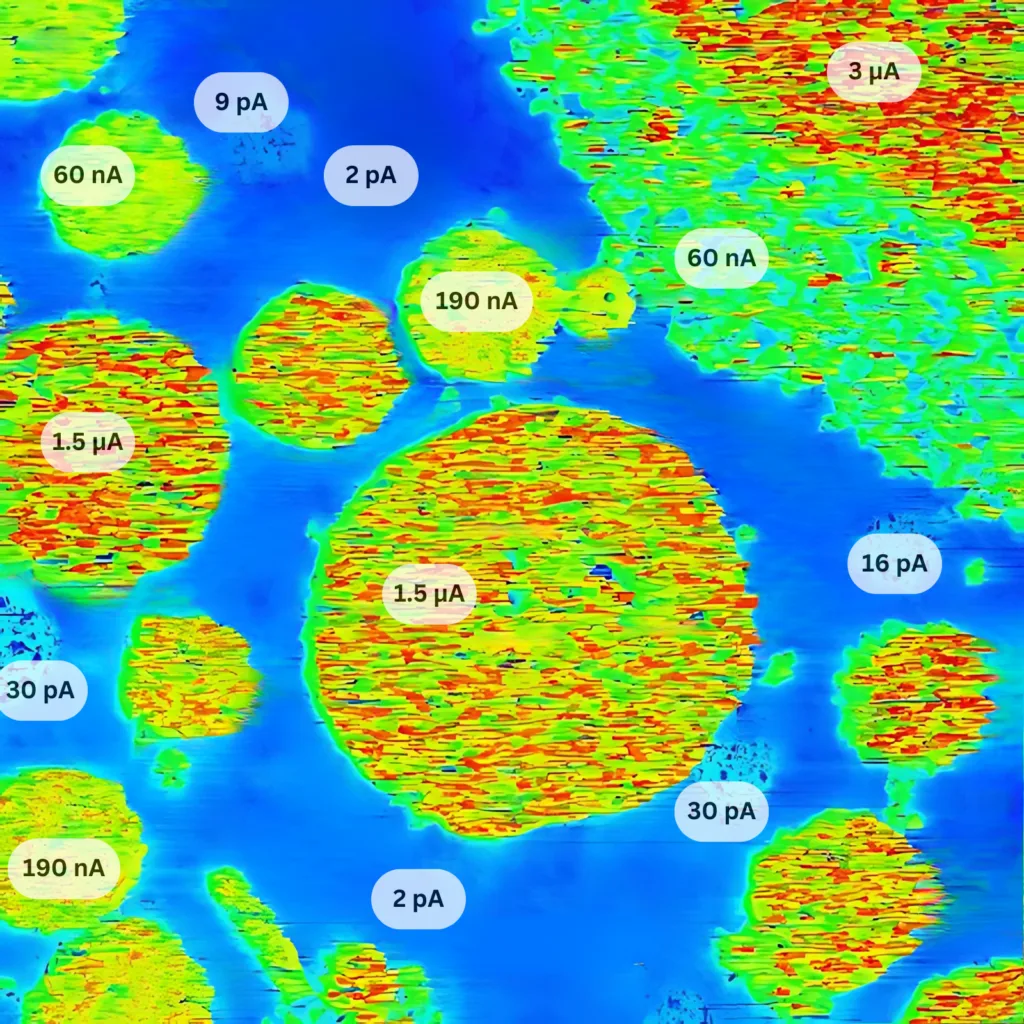
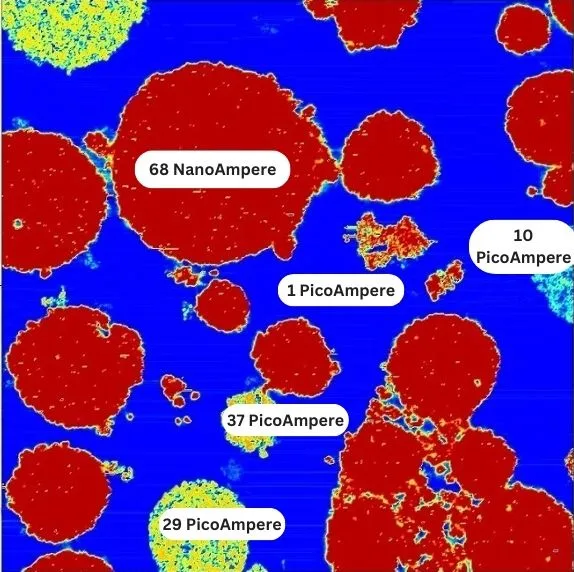
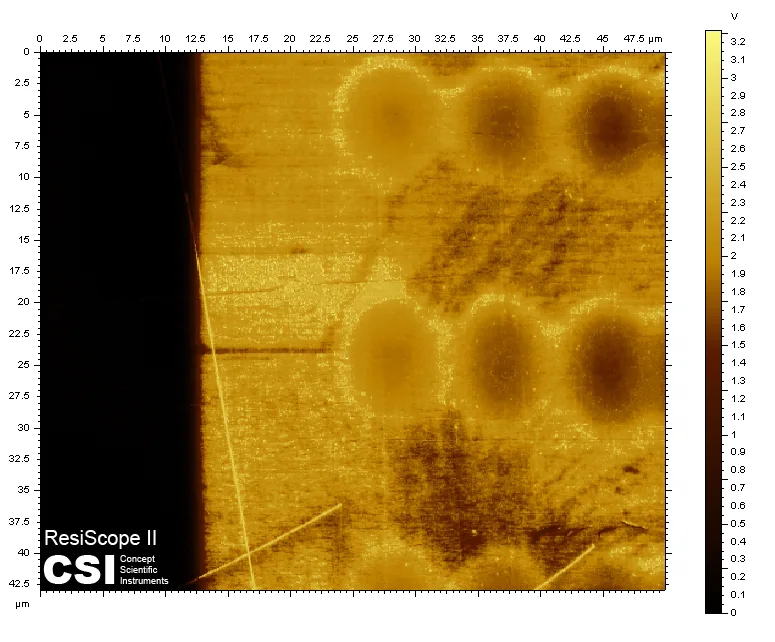
Soft ResiScope™ (resistance) and HD-KFM III (surface potential) on the same 50×50 µm area. Active material domains at µA — insulating binder phases at pA — both captured in one pass, zero saturation.
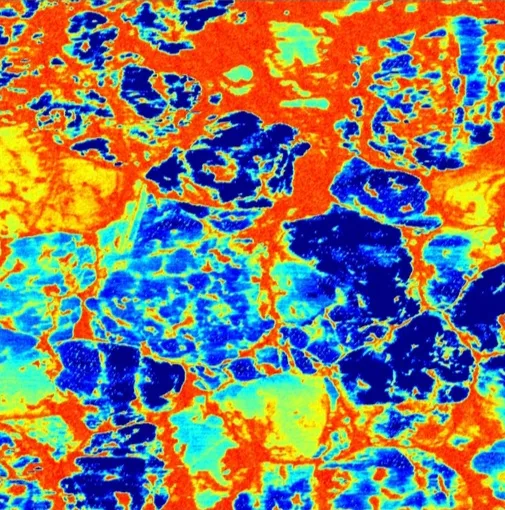
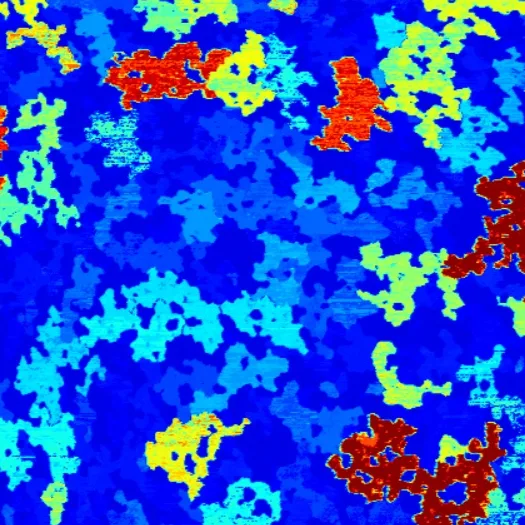
Perovskite Grain Conductivity
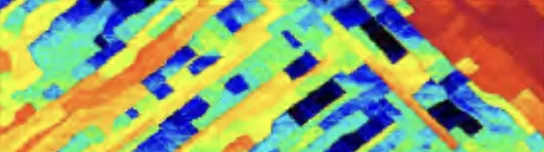
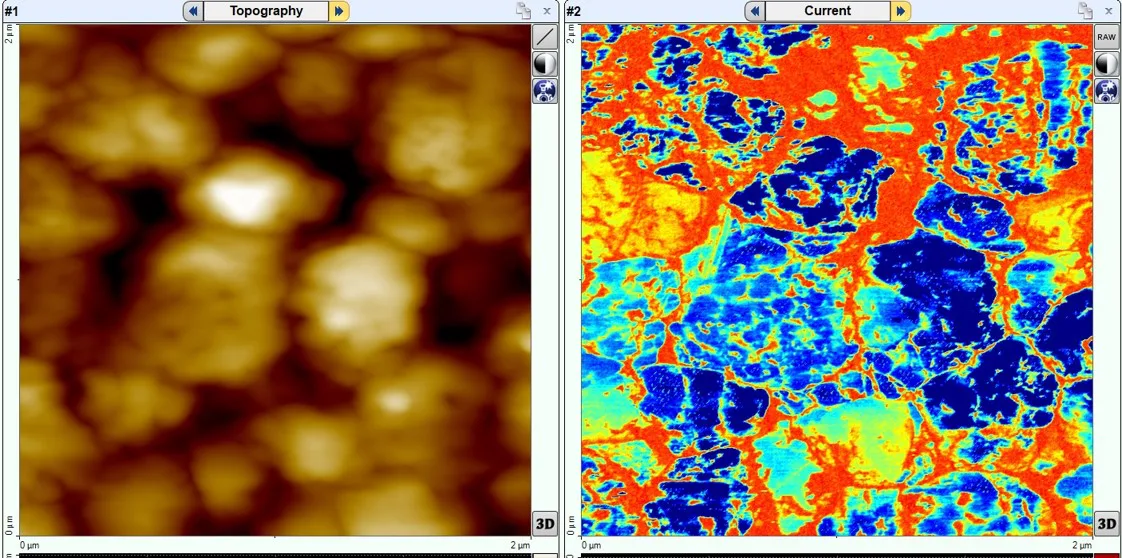
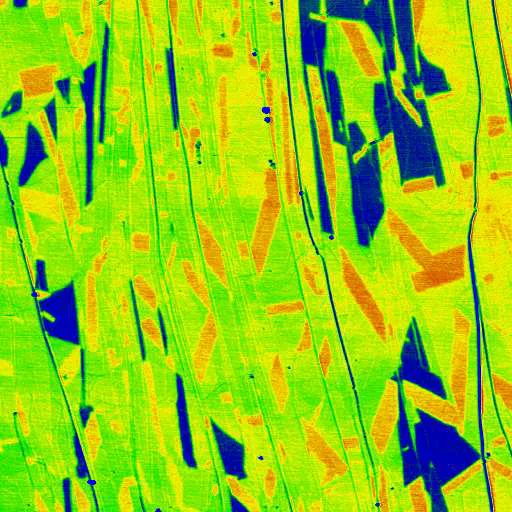
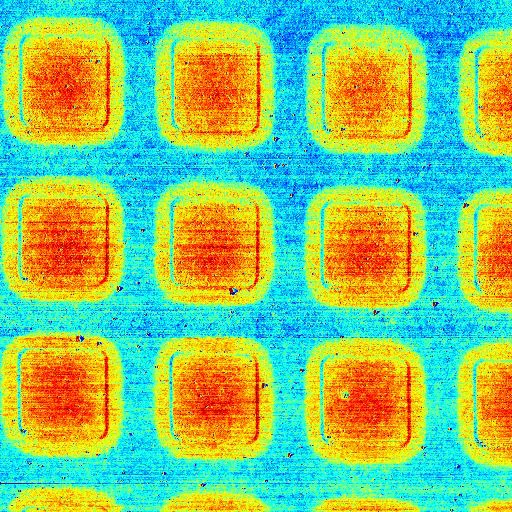
ResiScope™ resistance map of a perovskite solar cell. Grain-level conductivity heterogeneity revealed in a single scan pass: resistive grain boundaries, conductive grain interiors.
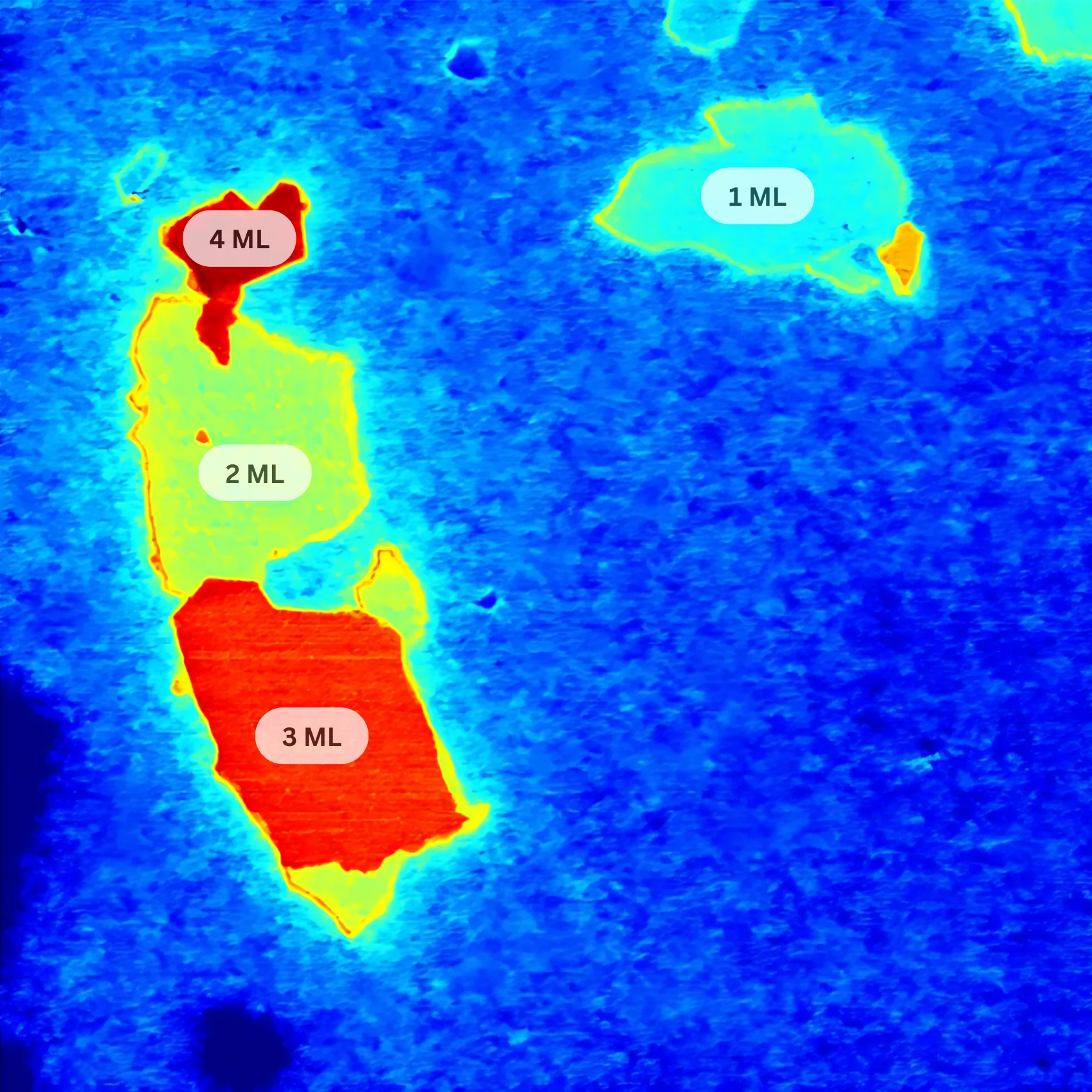
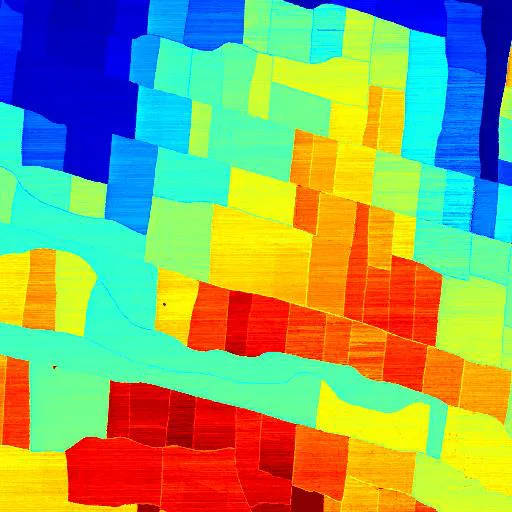
Graphene Layer-by-Layer Work Function
Monolayer through four-layer graphene resolved through work function contrast. Each additional layer produces a measurable, reproducible surface potential shift in a single scan.
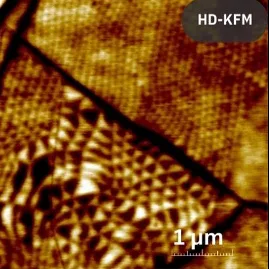
hBN Moiré Superlattice — Multi-Scale
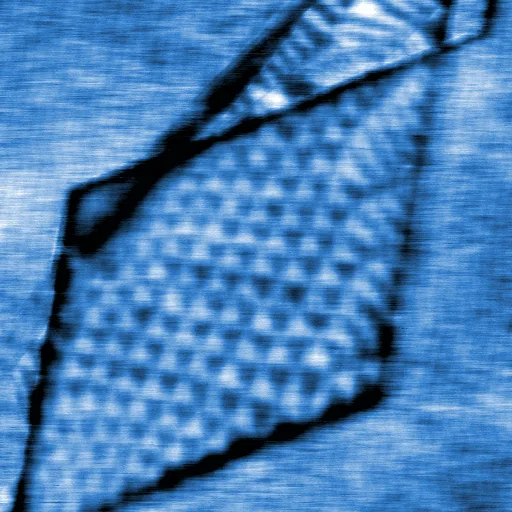
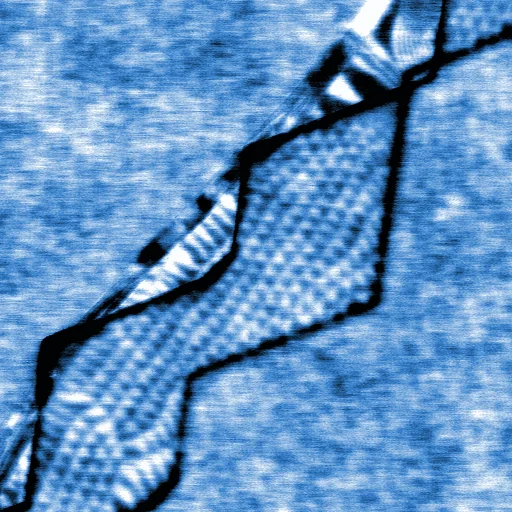
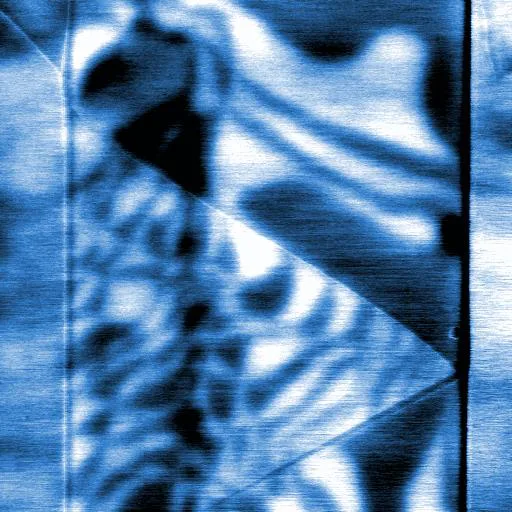
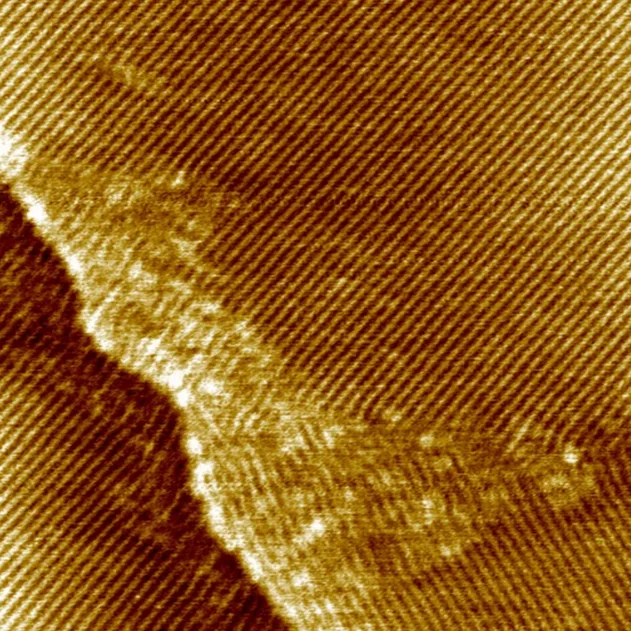
Folded hBN imaged at 5 µm, 2 µm, and 1 µm. At 1 µm resolution, ~100 nm triangular moiré domains resolved through periodic surface potential modulation — invisible to topography alone.
All Available Modes & Options
The Nano-Observer II supports an extensive range of AFM modes and environmental options — all on a single, upgradable platform.
Consumables & Accessories
Full range of cantilevers optimized for each measurement mode
Beyond Standard AFM
The Nano-Observer II extends into controlled environments and multi-instrument coupling for advanced research workflows.
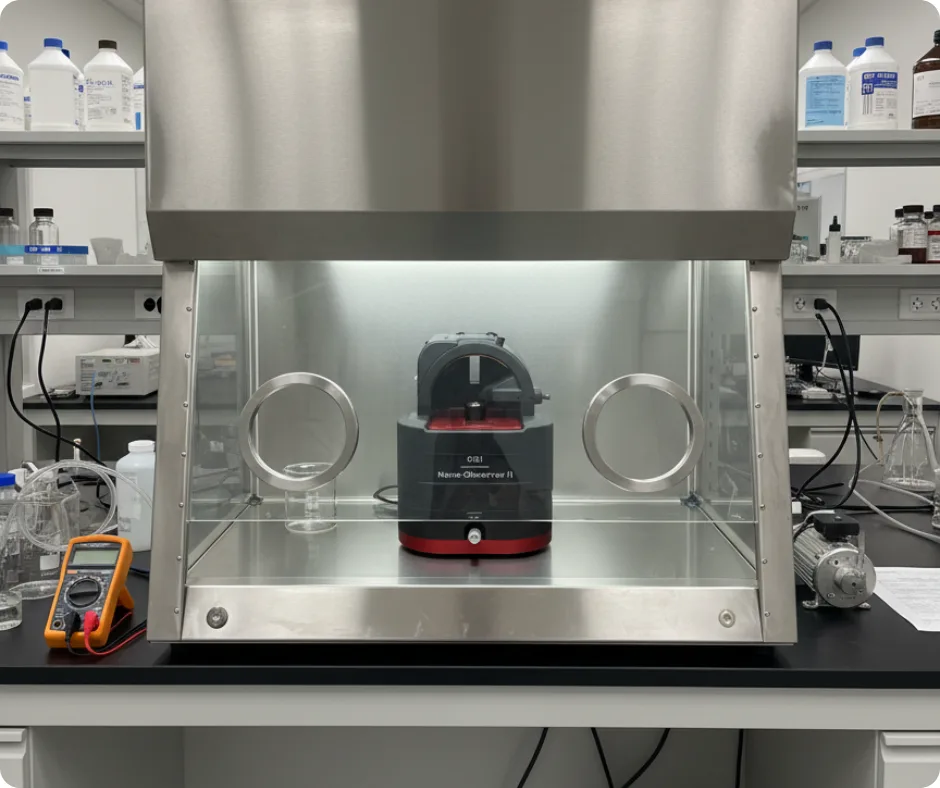
Glovebox Compatible
The Nano-Observer II operates inside a glovebox, enabling nanoscale characterization of air-sensitive materials — battery electrodes, perovskites, and organic electronics — without oxygen or moisture exposure.
AFM-IR Nano-Spectroscopy
Couple with an IR laser source for nanoscale chemical identification. AFM-IR combines AFM spatial resolution with the chemical specificity of infrared spectroscopy — sub-100 nm chemical mapping.
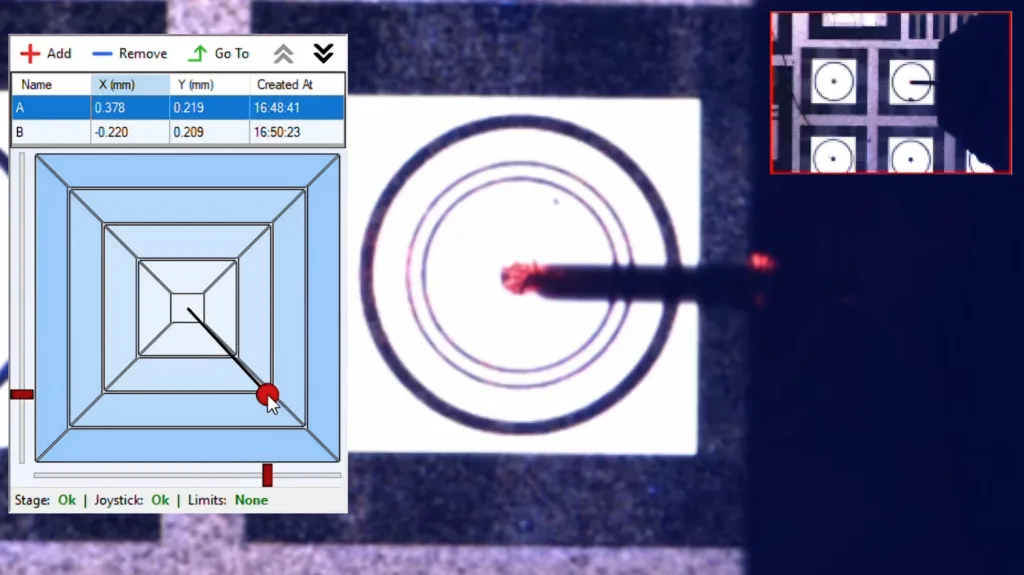
Motorized Stage Option
Ideal for mapping large samples, statistical analysis across multiple sites, and high-throughput characterization workflows.
Why Nano-Observer II?
A head-to-head look at key performance differentiators for research and purchasing decisions.
| Feature | Standard AFM | Nano-Observer II |
|---|---|---|
| Electrical Range | Limited — Linear | 10 Decades · ResiScope™ |
| KFM Mode | Double Pass (Lift) | Single Pass · HD-KFM™ |
| Soft Matter Imaging | Standard Tapping | Soft IC · Zero Friction |
| Glovebox Compatible | Rarely | Yes · Compact Design |
| IR Spectroscopy Coupling | Not Standard | AFM-IR · Sub-100 nm |
Signature modes
ResiScope™, HD-KFM™ and Soft IC in depth
ResiScope™ III
ResiScope™ III Advanced Electrical Measurements for AFM
Key figures
ResiScope™ III in numbers
- Standard C-AFMResiScope™ III
- Current only — resistance inferredDirect quantitative resistance values
- Limited to nA–µA rangefA to µA — 10 full decades
- High force risks sample damageSoft ResiScope™ for fragile samples
- Multiple scans neededResistance + current in one pass
ResiScope™ III is our most advanced module for electrical measurements at the nanoscale, building upon the proven ResiScope™ technology with enhanced capabilities.
Features
All ResiScope™ Capabilities:
- AutoGain adjusted in real-time by ultra-fast Digital Signal Processor electronics
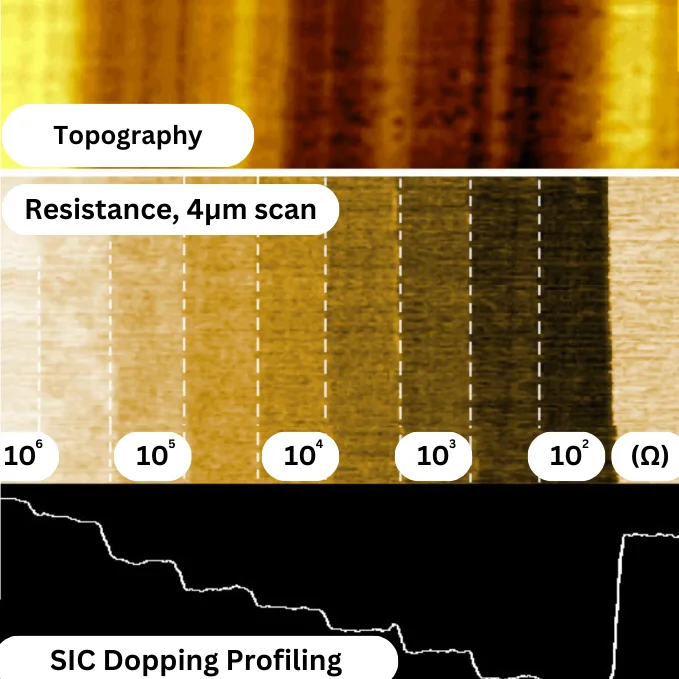
- 10 orders of magnitude range in current/resistance (50 fA to 1mA – 100 ohms to 1 Tohm)
- Both highly conductive and highly isolating domains measured in same image without user adjustment
- No logarithmic amplifiers/gains (Multiple linear gains)
- Real-time current protective integrated system
ResiScope™ III Enhancements:
- Superior accuracy and reduced background noise
- PFM + ResiScope simultaneous measurements
- Full integration with NanoSolution software
- Access to all new future features and updates
- Enhanced compatibility with advanced AFM modes
- Applications in semiconductors, photovoltaics and advanced materials science
ResiScope : Current & Resistance Mapping
What Is ResiScope ?
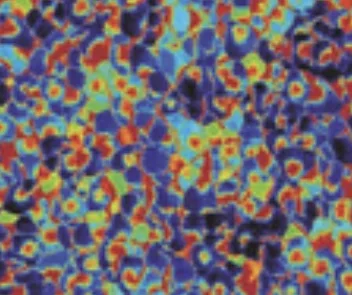
The ResiScope is a unique, true active and fast system able to measure Resistance over 10 decades with a high sensitivity and resolution. True fast auto ranging driven by Digital Signal Processor (DSP). It can be combined with several dynamic modes as MFM/EFM or KFM single pass providing several sample characterizations on the same scan area.
- Resistance & Current mapping over 10 orders of magnitude in one module and one pass
- Current control
- High sensitivity over the full range
- Compatible with :
Oscillating mode / AC mode
EFM / MFM
HD-KFM
HD-KFM™ III
HD-KFM™ III Advanced Surface Potential Measurements
Key figures
HD-KFM™ III in numbers
- Standard KFMHD-KFM™ III
- Two passes: topography, then potential in lift modeOne pass: topography and potential together
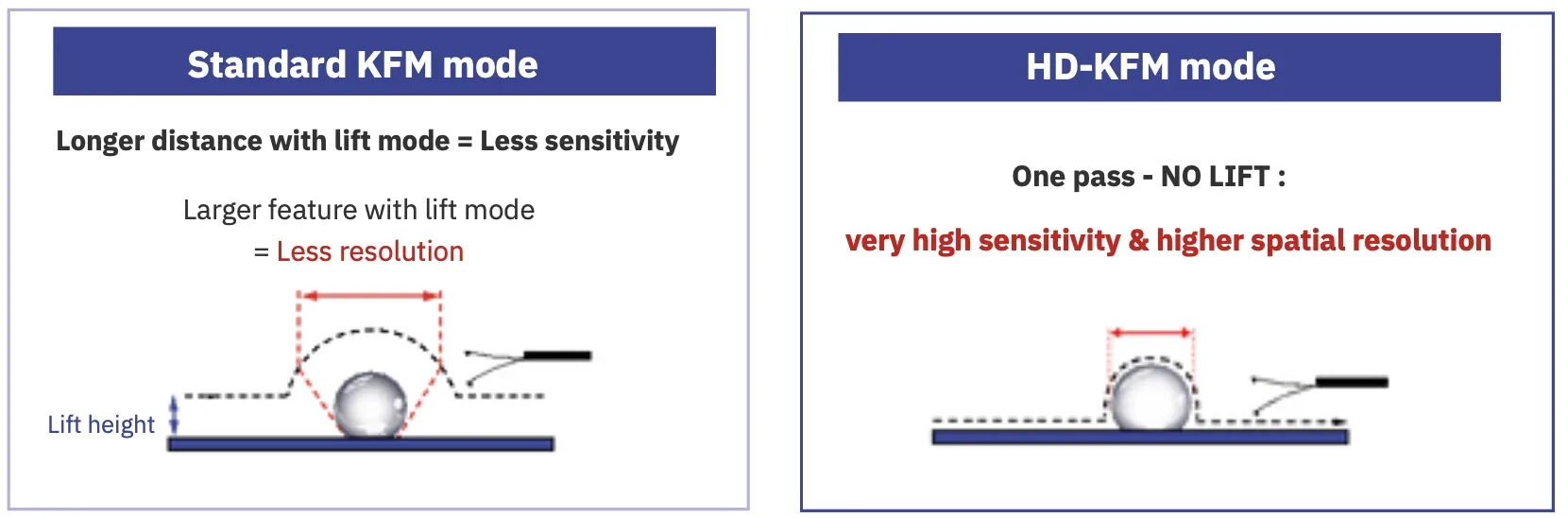
- Lift height 10–50 nm: lower sensitivity and resolutionTip 0.1–0.5 nm from the surface
- KFM onlyMFM + KFM and dC/dZ in the same scan
What sets HD-KFM™ apart: the second eigenmode
HD-KFM™ is bimodal: one cantilever, two resonances. Instead of reading the potential in a second pass or as a low-frequency sideband, it drives the cantilever’s second eigenmode electrically — so topography and surface potential are recorded together, with the tip 0.1–0.5 nm from the surface.
- f1 · Sideband KFM (≈15 kHz)The low frequency at which sideband KFM reads the electrical signal.
- f2 · Mechanical resonance (≈70 kHz)The first flexural mode of the cantilever follows the topography.
- f3 · HD-KFM™ second eigenmode (≈400 kHz)Excited electrically (VAC) to measure the surface potential — a signal amplified by the Q factor of that mode, far from the topography frequency, in the same single pass.
HD-KFM™ III builds upon our proven HD-KFM™ technology, offering enhanced capabilities for precise surface potential measurements. This advanced module delivers superior resolution and new functionalities for comprehensive surface analysis.
All HD-KFM™ capabilities
- True non-contact mode measurement
- Multi-frequency excitation
- Precise surface potential measurements
- Direct VCPD measurement
- Real electrostatic gradient measurements
- AM/FM modes available
HD-KFM™ III enhancements
- Enhanced resolution with better signal-to-noise ratio
- Simultaneous KFM Moiré measurements
- EFM/dC/dZ capabilities
- Full integration with NanoSolution software
- Access to all new future features and updates
Why single pass: KFM vs. HD-KFM™
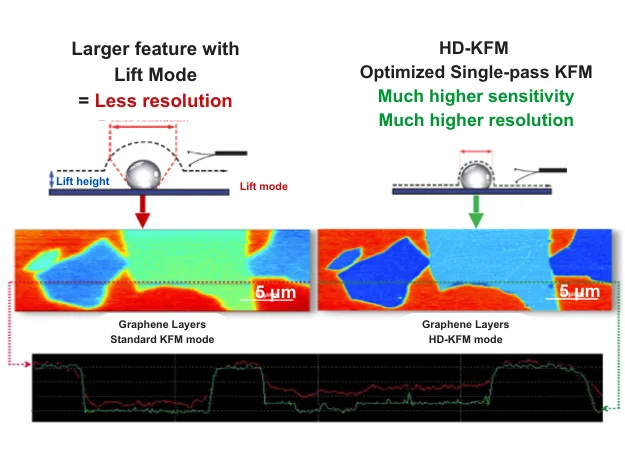
In addition to standard KFM, the Nano-Observer II offers High Definition KFM to strongly enhance the resolution and increase the sensitivity of the surface potential. Standard KFM measures in a second pass at a lift height of 10–50 nm; HD-KFM™ measures in one pass, with the tip 0.1–0.5 nm from the surface.
dC/dZ measurements
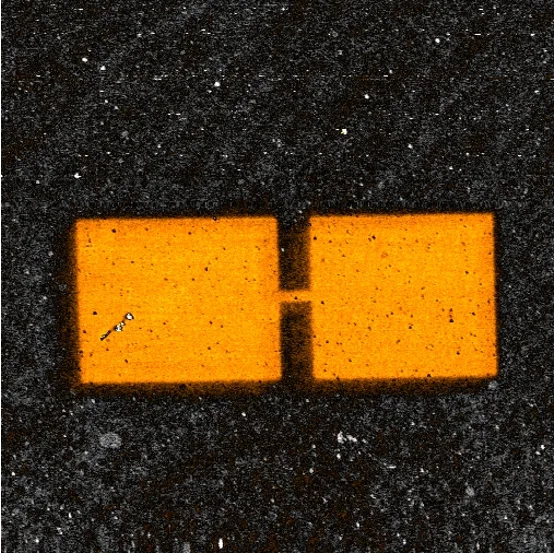
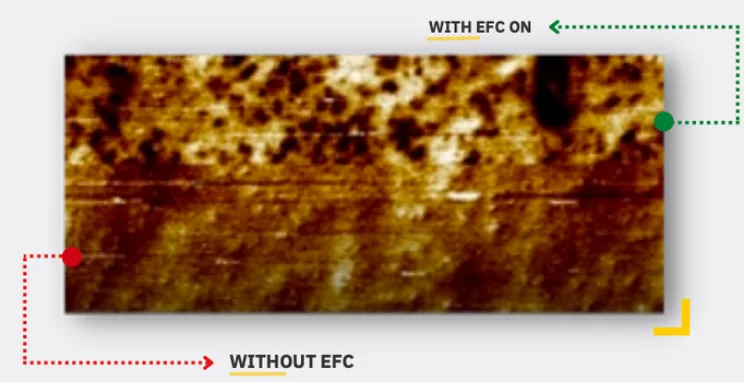
Electric Field Cancelling (EFC) for MFM
Electric Field Cancelling compensates in real time the electrostatic field between the tip and the sample, to achieve a pure magnetic measurement in MFM.
Soft Interaction Control
Soft Interaction Control: the 3rd AFM mode
Key figures
Soft Interaction Control in numbers
- Contact modeSoft IC
- Continuous contact drags and damages soft samplesTip retracts between points: no lateral friction
- Friction-induced artefacts, tip wearControlled vertical contact at constant force
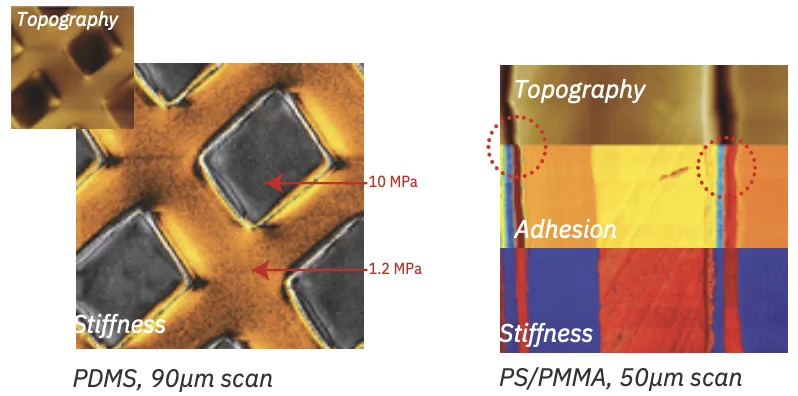
- Topography onlyAdhesion, stiffness and Young’s modulus in the same scan
Combines the precision of contact AFM with the dynamic capabilities of resonant modes
The Soft IC mode operates at lower frequencies than traditional AFM: the tip makes a controlled contact with the sample, the Z-piezo keeps the force constant during the measurement, then retracts before the next point. Mechanical and electrical properties are measured while sample damage is minimized — on soft biological samples as well as abrasive materials.
- Ideal for delicate and soft materials
- Adhesion, stiffness and Young’s modulus
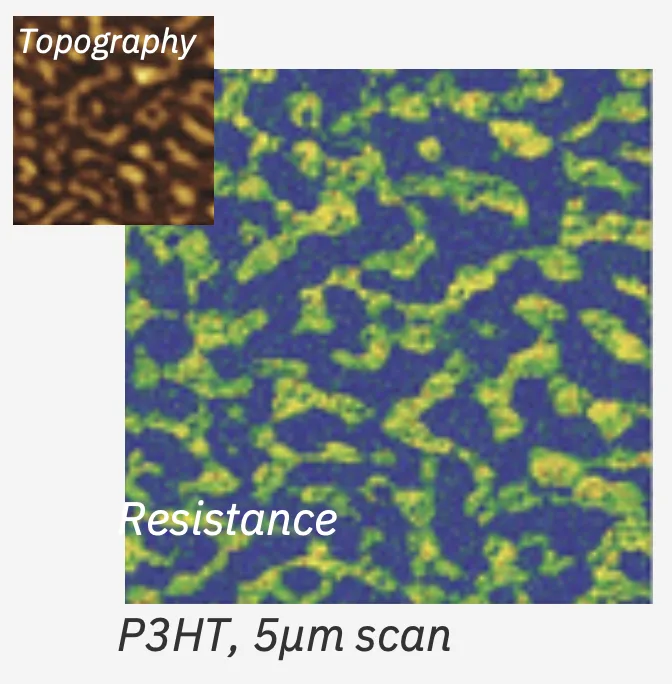
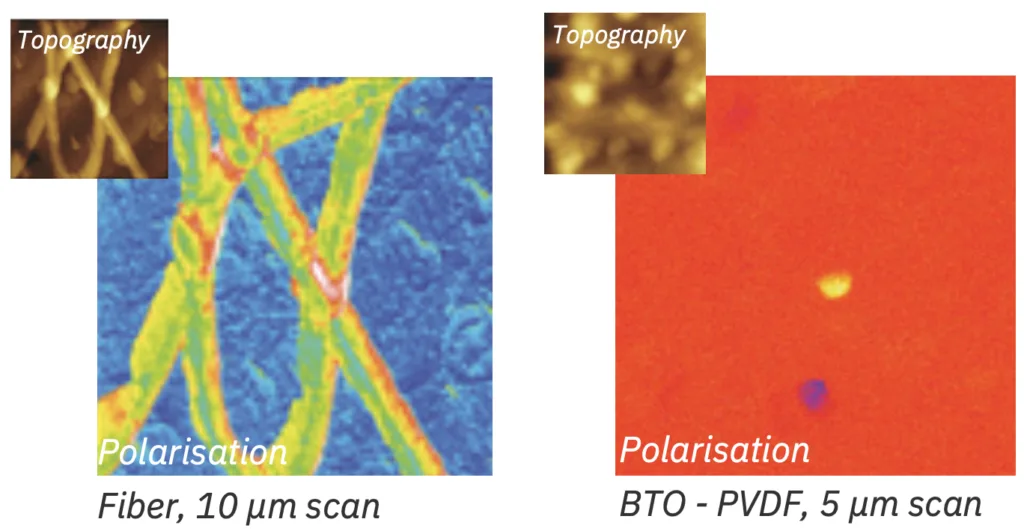
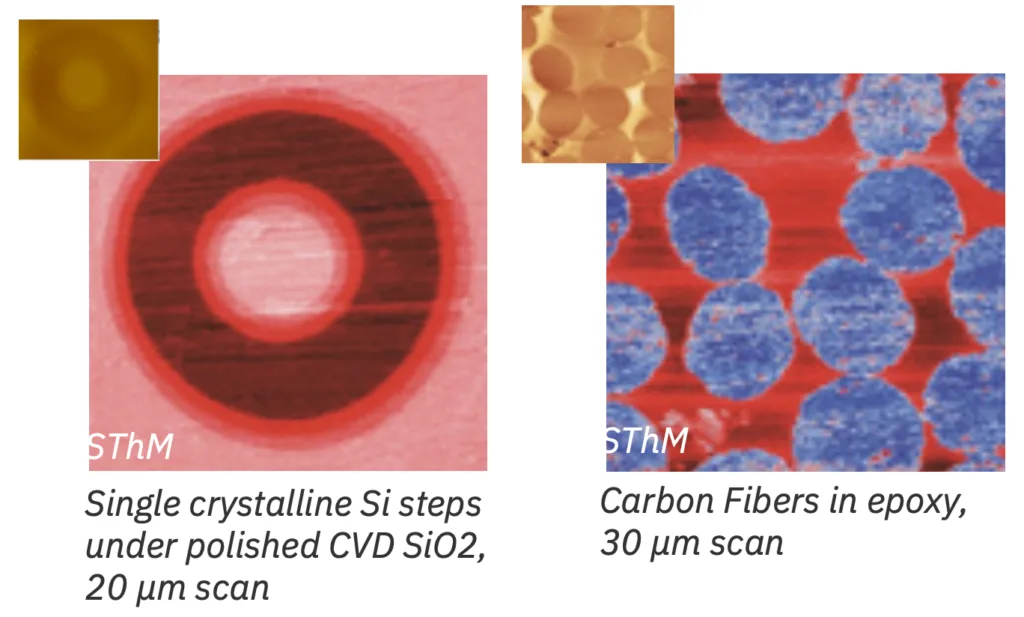
- Soft MEKA, Soft ResiScope™, Soft PFM and Soft SThM
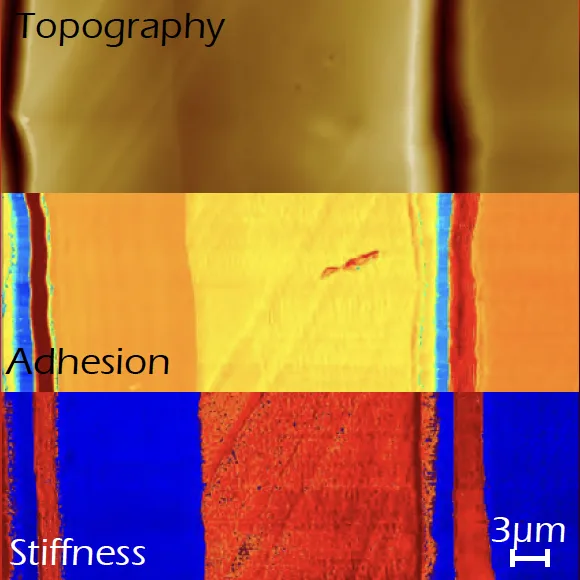
One mode, four measurements
Specifications
Nano-Observer II specifications
Scanner Specifications
- XY Scan Range: 100 μm × 100 μm (±10%)
- Z Range: 15 μm (±10%)
- XY Drive Resolution: 0.06 Angströms
- Z Drive Resolution: 0.006 Angströms
Imaging Modes
- Standard Modes: Contact, Resonant, Soft Intermittent Contact
- Magnetic Modes: Magnetic Force Microscopy, Variable Magnetic Field Module
- NanoMechanical Modes: Soft MEKA, Force Modulation, Nano-Indentation, Force Spectroscopy, Friction (LFM)
- Electrical Modes (AC): HD-KFM III, Kelvin Force Microscopy (double-pass), Electrostatic Force Microscopy
- Electrical Modes (DC): ResiScope™ III, Soft ResiScope, Conductive AFM, Scanning Microwave Impedance, Piezo Response Force Microscopy
Electrical Measurements
- ResiScope Range: 10² to 10¹² ohms
- Voltage Range: ±10 V (adjustable)
Controller & Data Acquisition
- Controller Resolution: 24-bit
- Built-in Lock-in Amplifier: Up to 6 MHz
- Maximum Data Points: 8192 × 8192
Sample Stage
- Sample Size: Up to 52 mm (2 inches) diameter
- Sample Height: Up to 20 mm
- Motorized Sample Approach: 20 mm range
Environmental Control
- Temperature Range: -40°C to 450°C (with optional module)
- Humidity Control & Gas Control: Optional
- Liquid Cell: Available for fluid imaging
Electrochemical AFM (EC-AFM)
- Electrochemical Cell: Three-electrode configuration
- Potential Range: ±10 V
Software
- OS Compatibility: Windows 10/11
- AutoScan Feature: Automated imaging with three-click operation
- Real-time Data Processing & Analysis
Gallery
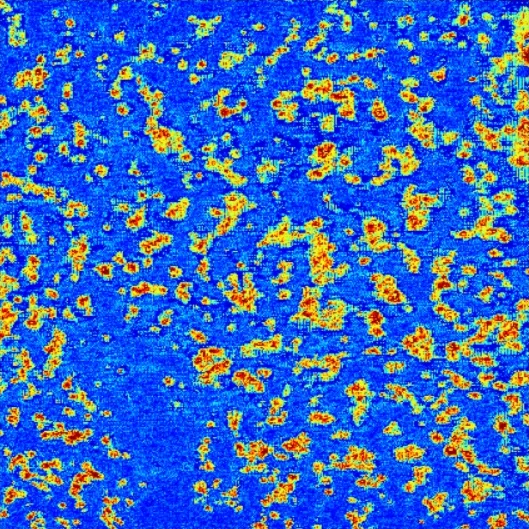
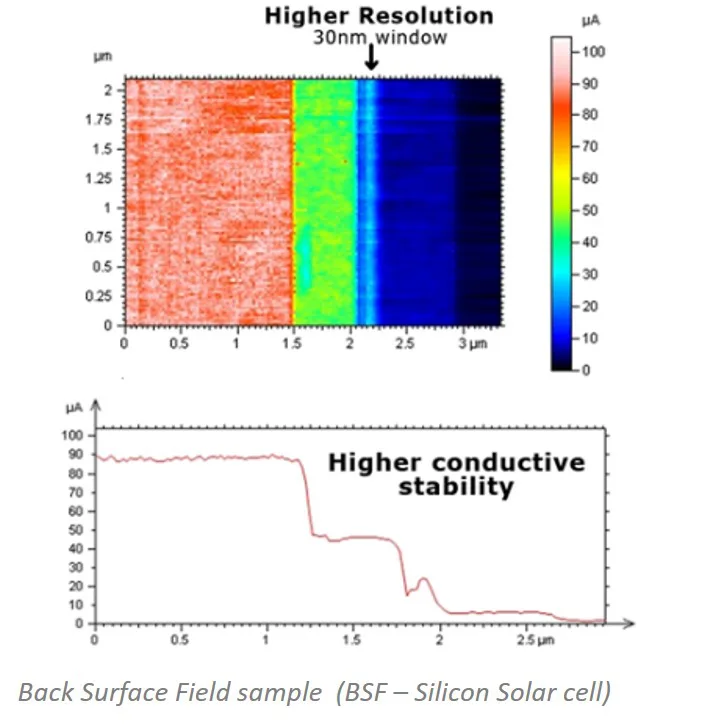
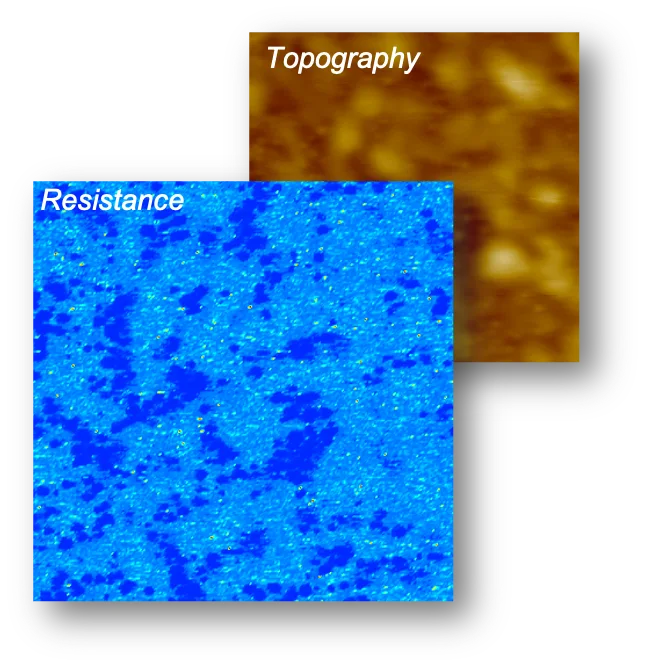
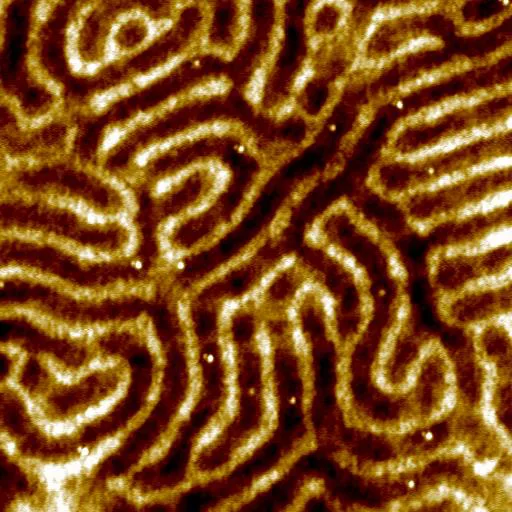
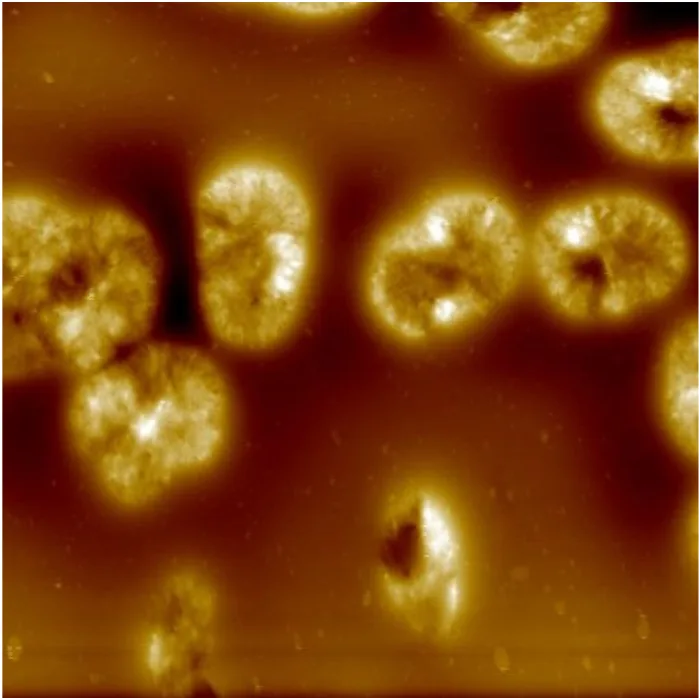
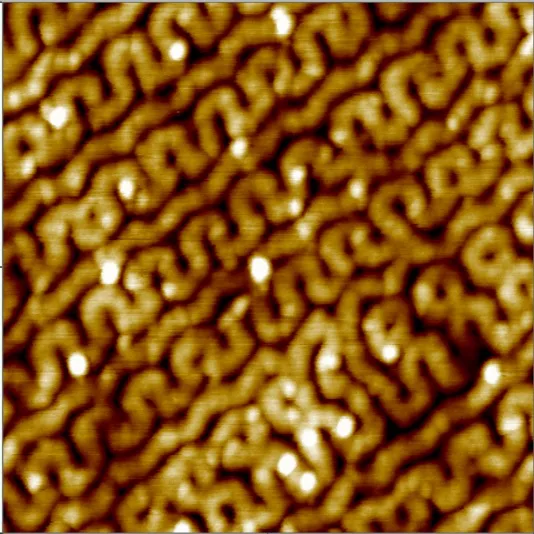
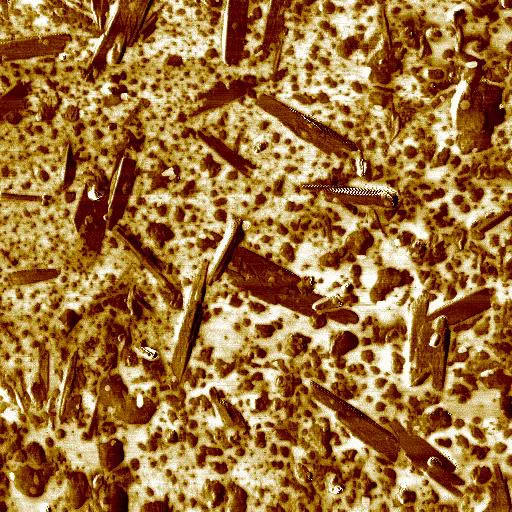
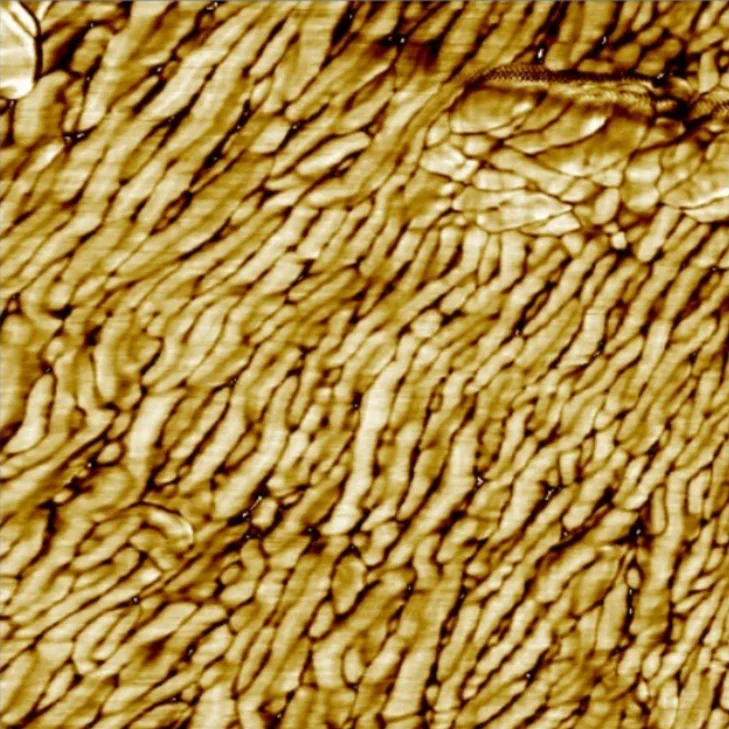
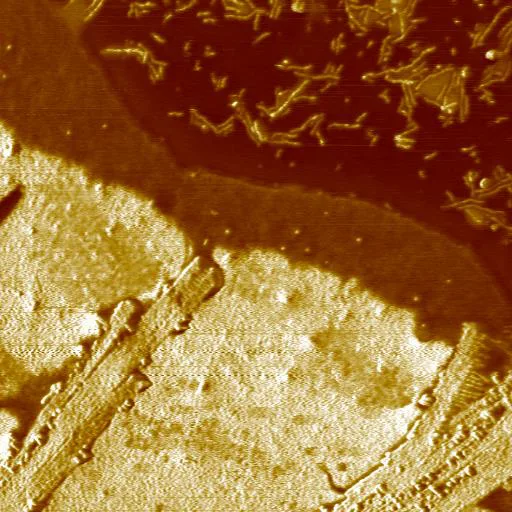
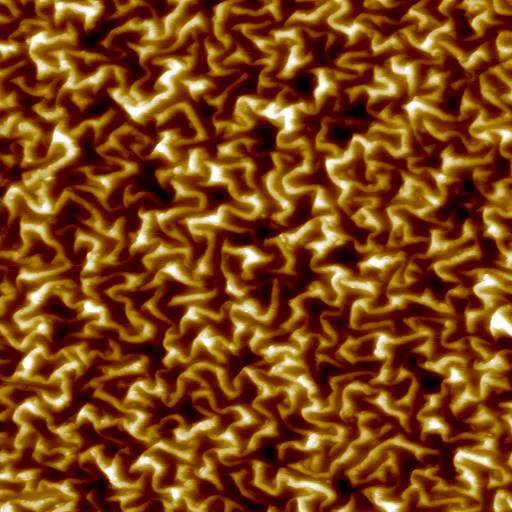
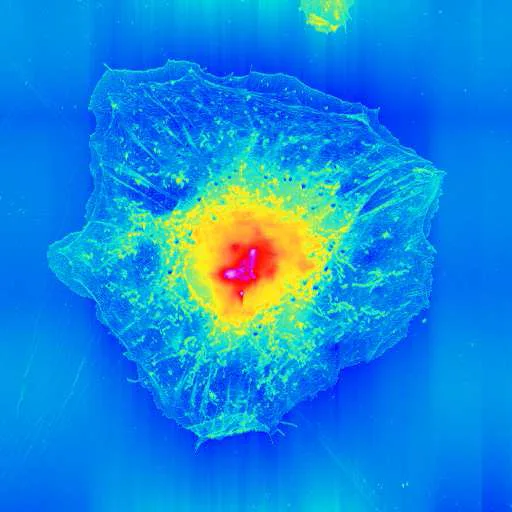
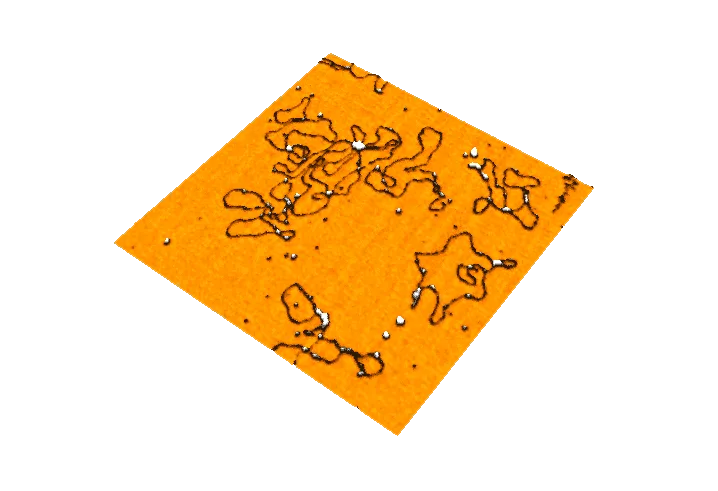
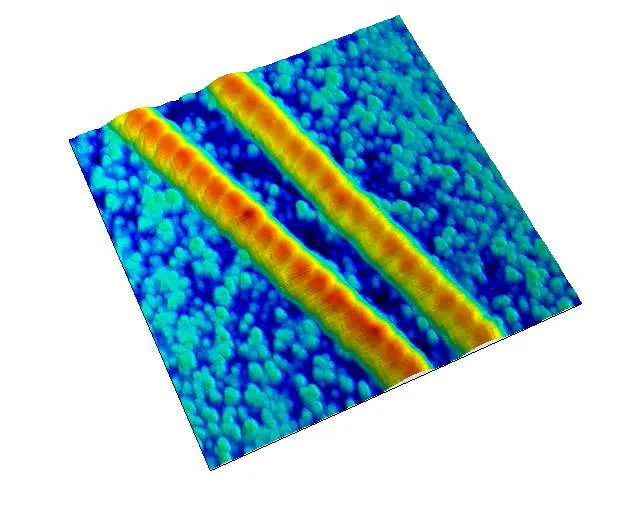
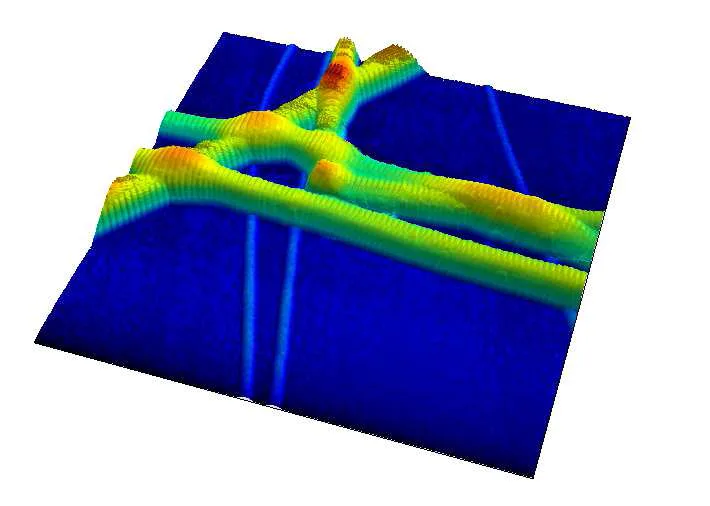
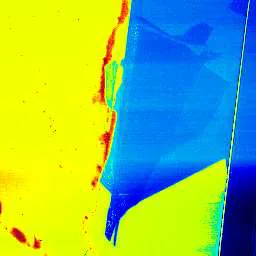
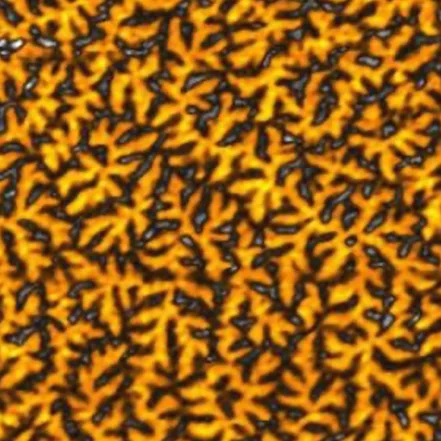
Scan results by application field
Energy
Polymers
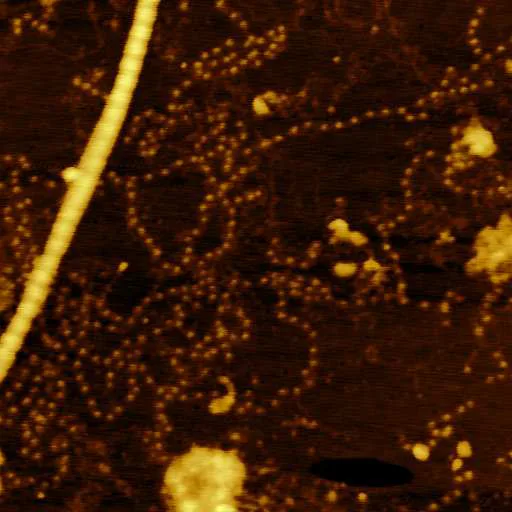
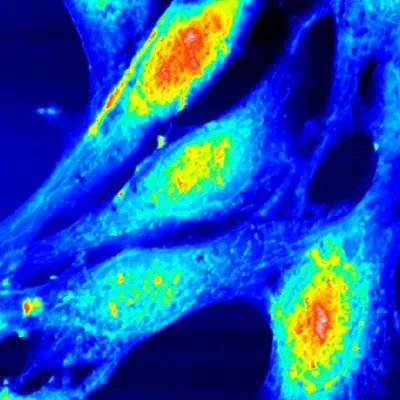
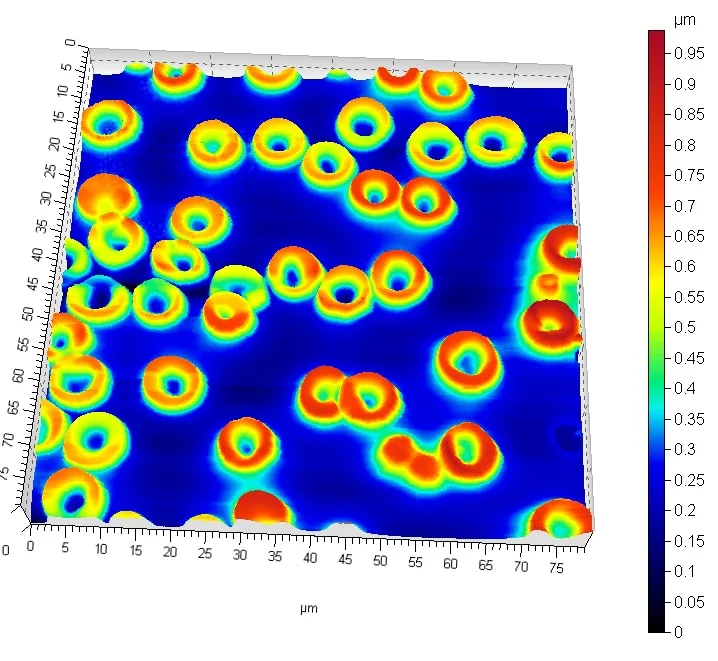
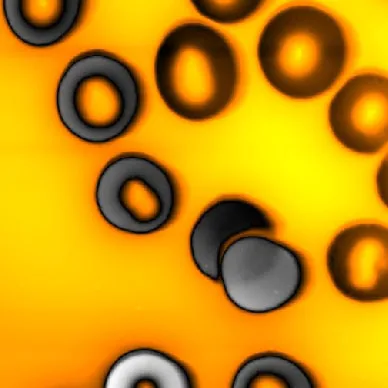
Biological Samples
2D Materials

Semiconductors

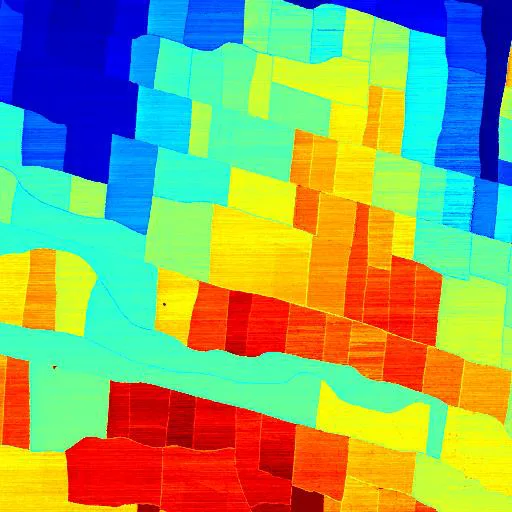
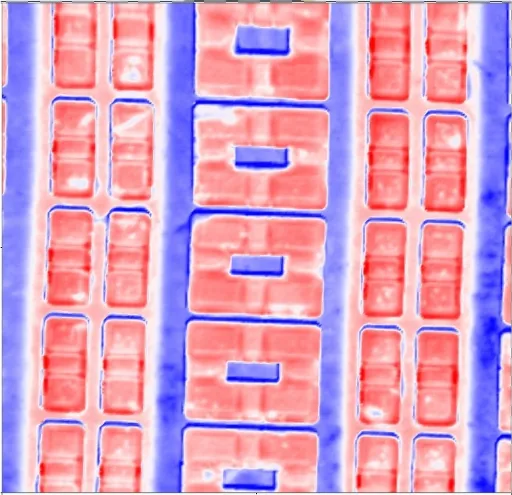
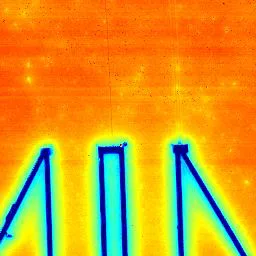
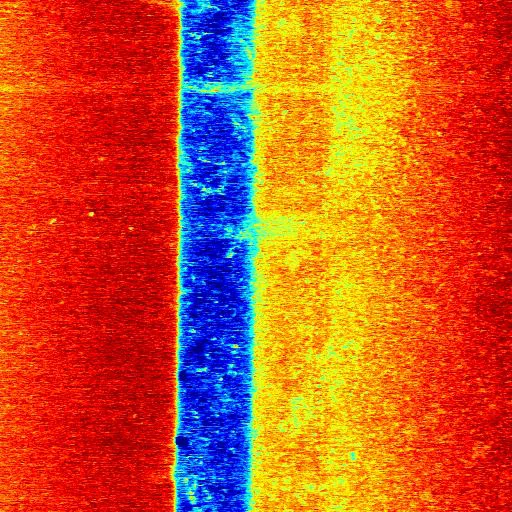
Materials Science

FAQ
Frequently Asked Questions
What is the Nano-Observer II?
The Nano-Observer II is an advanced Atomic Force Microscope (AFM) manufactured by CSInstruments (France). It is designed for both expert researchers and beginners, offering a wide range of nanoscale imaging and characterization capabilities. Key differentiators include the proprietary HD-KFM III module for single-pass surface potential mapping, the ResiScope III module for 10-decade electrical measurements, and the Soft Intermittent Contact (Soft-IC) mode for non-destructive measurements on delicate samples. The system features a 24-bit Galaxy USB controller, scan range of 100 × 100 µm in XY and 15 µm in Z, and is compatible with optical techniques including UV, IR, and Raman spectroscopy.
What AFM modes are available on the Nano-Observer II?
The Nano-Observer II supports a comprehensive set of AFM modes: standard imaging modes (Contact, Resonant, Soft Intermittent Contact); electrical AC modes (HD-KFM III, HD-KFM I, standard KFM, EFM, PFM); electrical DC modes (ResiScope III, Soft ResiScope, Conductive AFM, Scanning Microwave Impedance); nanomechanical modes (Soft MEKA, Force Modulation, Nano-Indentation, Force Spectroscopy, Friction/LFM); magnetic modes (MFM, Variable Magnetic Field Module); thermal modes (Scanning Thermal Microscopy, Peltier/Heating stages); and environmental modes (liquid cell, electrochemical cell, gas/humidity control, glove box compatibility).
What is the scan range of the Nano-Observer II?
The Nano-Observer II has an XY scan range of 100 µm × 100 µm (±10%) and a Z range of 15 µm (±10%). XY drive resolution is 0.06 Ångströms and Z drive resolution is 0.006 Ångströms. The maximum data acquisition resolution is 8192 × 8192 points. The sample stage accepts samples up to 52 mm (2 inches) in diameter and up to 20 mm in height.
What makes the Nano-Observer II different from competing AFM systems?
Three proprietary technologies distinguish the Nano-Observer II: (1) HD-KFM III — a single-pass Kelvin Probe Force Microscopy module operating at 0.1–0.5 nm tip-sample distance, achieving 100–10,000× greater electrostatic sensitivity than standard lift-mode KFM; (2) ResiScope III — an electrical measurement module with 10-decade dynamic range (50 fA to 1 mA, 10² to 10¹² ohms) in a single scan pass, overcoming C-AFM saturation limitations; and (3) Soft Intermittent Contact (Soft-IC) mode — a third imaging paradigm combining contact and resonant mode advantages for non-destructive measurements on soft or fragile samples. The AutoScan software with three-click operation and automated gain adjustment further lowers the barrier for non-expert users.
Can the Nano-Observer II be used with optical microscopy techniques?
Yes. The Nano-Observer II has an open design that allows integration with optical microscopy techniques including UV, infrared (IR), and Raman spectroscopy. This enables correlated AFM and optical measurements on the same sample area, which is particularly useful for photovoltaic research, 2D material characterization, and biological imaging.
Is the Nano-Observer II compatible with a glove box for air-sensitive samples?
Yes. The Nano-Observer II can be operated inside a glove box with controlled gas atmosphere (e.g., N₂ or Ar) and humidity control. This is essential for characterizing air-sensitive materials such as lithium metal anodes, 2D materials, organic semiconductors, and perovskite photovoltaic films that degrade upon exposure to ambient atmosphere.
What electrical measurement capabilities does the Nano-Observer II offer?
The Nano-Observer II offers the most comprehensive electrical AFM suite in its class: AC electrical modes include HD-KFM III (single-pass surface potential, sub-nm tip distance), standard KFM (double-pass), EFM, and PFM. DC electrical modes include ResiScope III (50 fA–1 mA, 10 decades), Soft ResiScope (friction-free electrical measurement on fragile samples), Conductive AFM, and Scanning Microwave Impedance Microscopy (sMIM). The voltage range for electrical measurements is ±10 V.
What is Soft Intermittent Contact (Soft-IC) mode on the Nano-Observer II?
Soft Intermittent Contact (Soft-IC) is CSInstruments' third AFM imaging paradigm, alongside contact and resonant modes. It operates by making controlled, brief intermittent contact with the surface using Z-piezo movement, maintaining constant force during each measurement point before retracting. This eliminates lateral friction forces that can damage soft samples or degrade tip sharpness. Soft-IC enables Soft MEKA (stiffness, adhesion, Young's modulus), Soft ResiScope (electrical mapping on fragile conductors), Soft PFM, and Soft SThM on samples that would be damaged by standard contact or resonant mode AFM.
Questions about the Nano-Observer II?
Ask the application scientists behind our AFMs and modes — about your samples, probes, set-up or which mode fits your measurement. We answer every message personally.