
Application fields
Key Features
Force Modulation Mode
- High Sensitivity: Detect subtle variations in mechanical properties across sample surfaces
- Excellent Spatial Resolution: Achieve lateral resolution down to nanometer scale
- Quantitative Measurements: Map relative differences in elastic modulus and viscoelasticity
- Wide Dynamic Range: Suitable for a broad spectrum of materials, from soft polymers to rigid composites
- Integration with Other Modes: Combine FMM with electrical or thermal property mapping for comprehensive analysis
Force Modulation Mode
Superior Resolution:
Our advanced FMM implementation offers unparalleled spatial resolution and sensitivity.
User-Friendly Interface:
Intuitive software makes FMM accessible to both experts and beginners.
Versatility:
Easily combine FMM with other AFM modes for comprehensive sample characterization.
Cutting-Edge Research:
Stay at the forefront of nanomechanical characterization with our continuously updated technology.
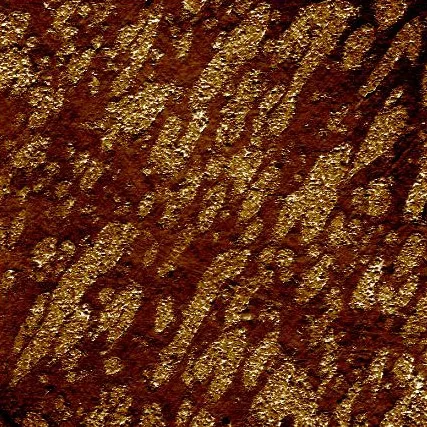
Scan size 50µm x 50 µm
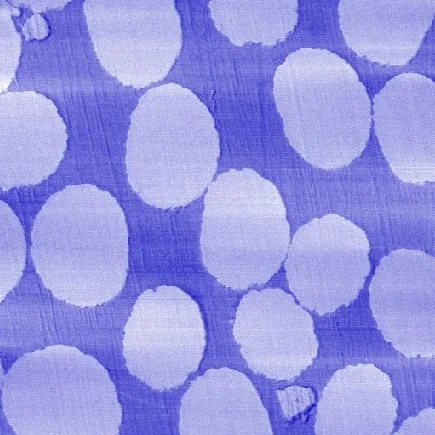
Carbon Fibers in Epoxy,
Scan size 30 µm x 30 µm
How does Force Modulation Mode work?
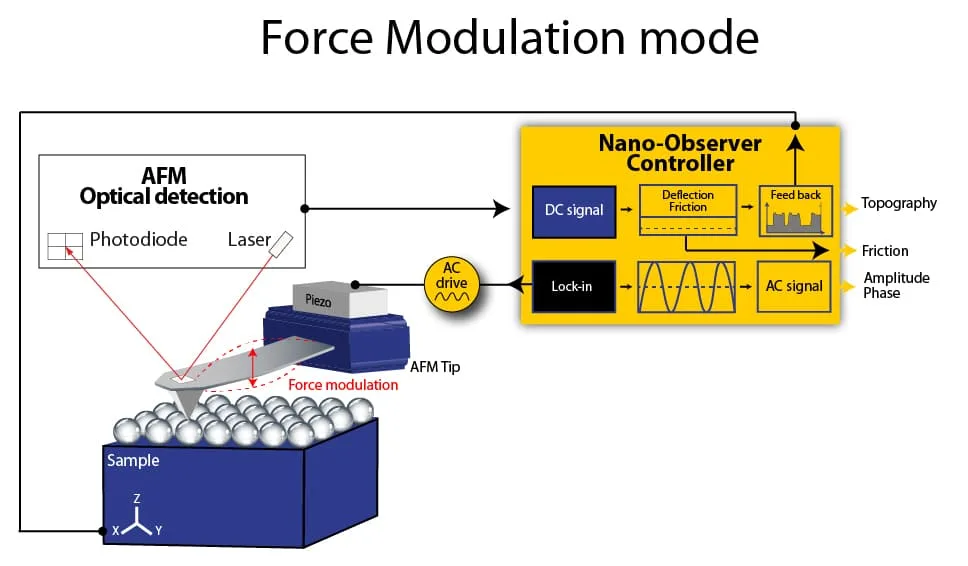
- Constant Contact: The tip remains in constant contact with the sample surface.
- Mechanical Oscillation: A small, high-frequency mechanical oscillation is applied to the cantilever or sample.
- Amplitude and Phase Detection: The system measures the amplitude and phase of the cantilever’s response to this oscillation.
- Data Interpretation: Changes in amplitude and phase correlate to local variations in sample stiffness and viscoelastic properties.
Specifications
- Oscillation Frequency Range: 1 kHz – 100 kHz
- Amplitude Resolution: < 0.1 nm
- Phase Resolution: < 0.1°
- Compatible with all CSInstruments AFM systems
- Optional: Advanced spectroscopy module for quantitative mechanical property mapping
Questions about Force Modulation Mode?
Ask the application scientists behind our AFMs and modes — about your samples, probes, set-up or which mode fits your measurement. We answer every message personally.