
Animated story
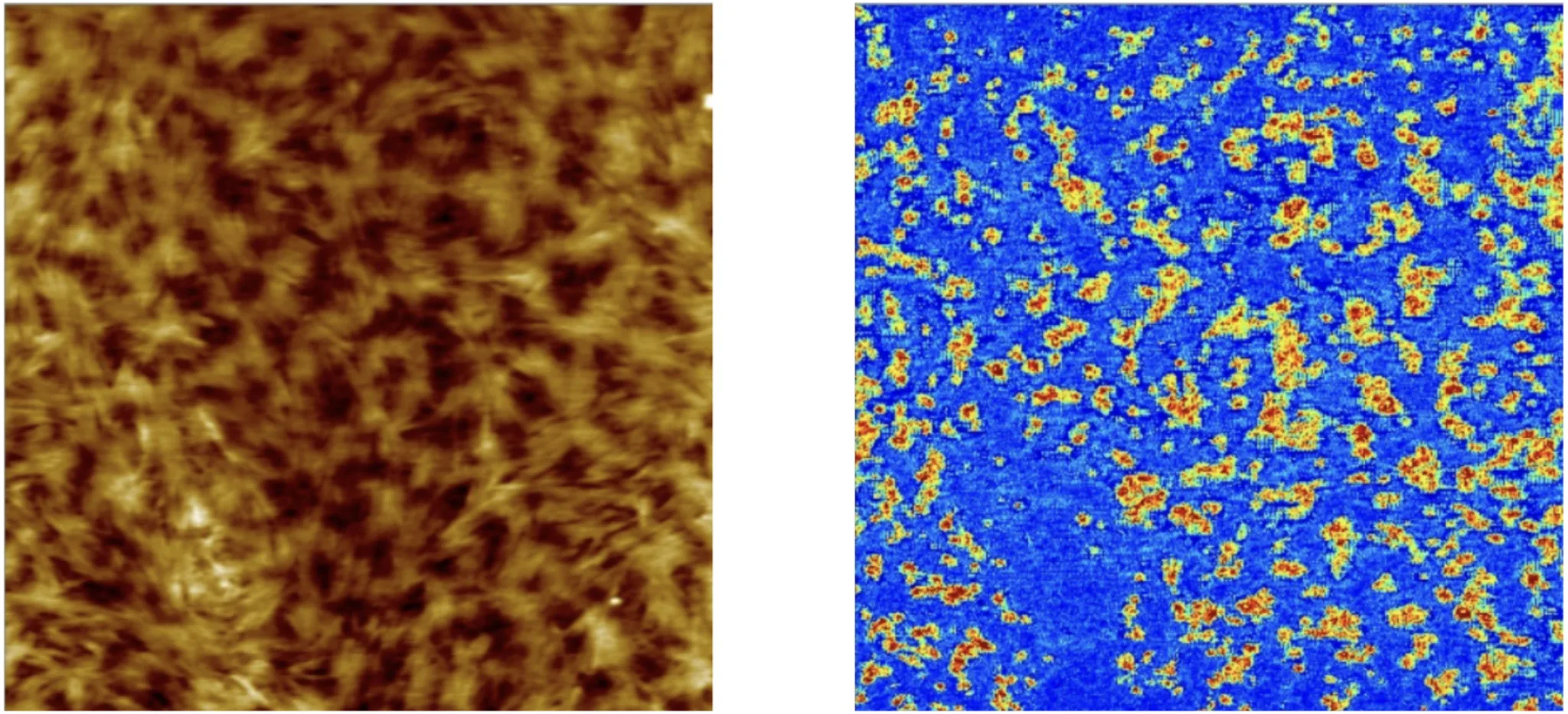
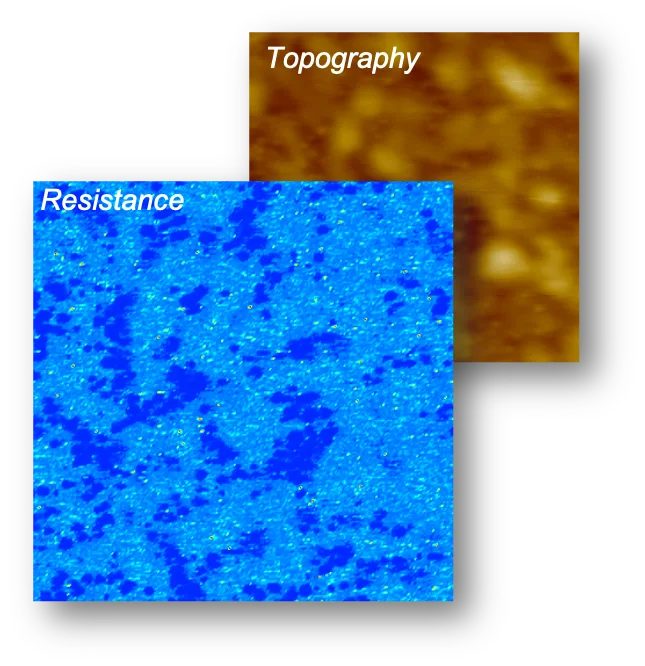
Battery electrodes: ResiScope™ vs C-AFM
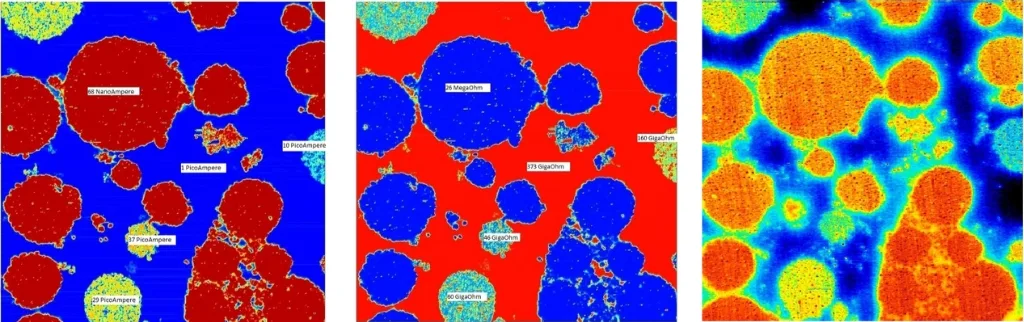
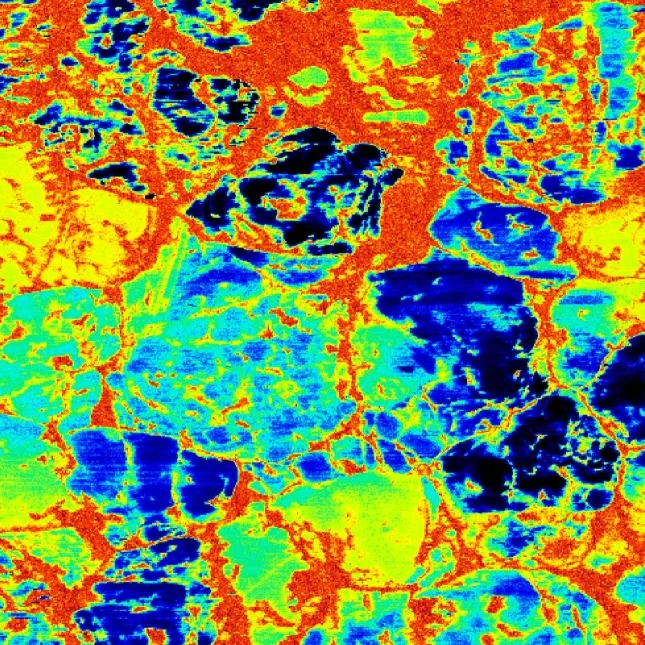
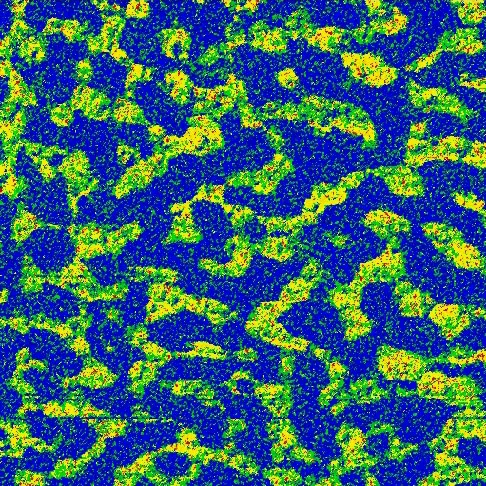
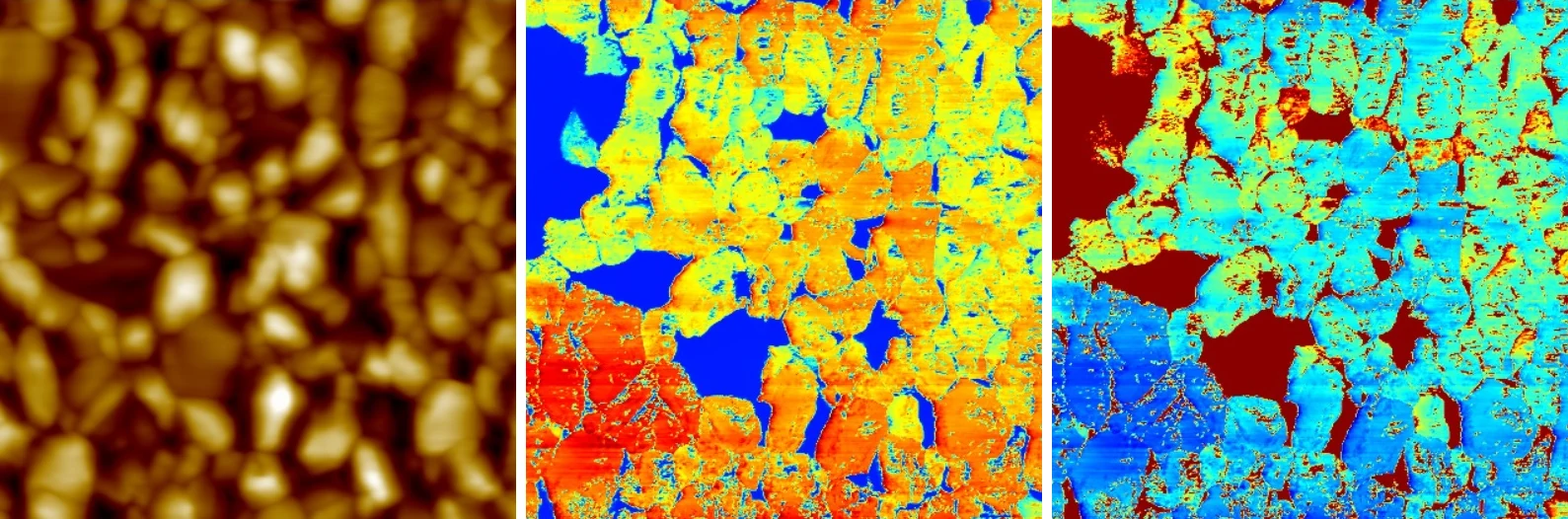
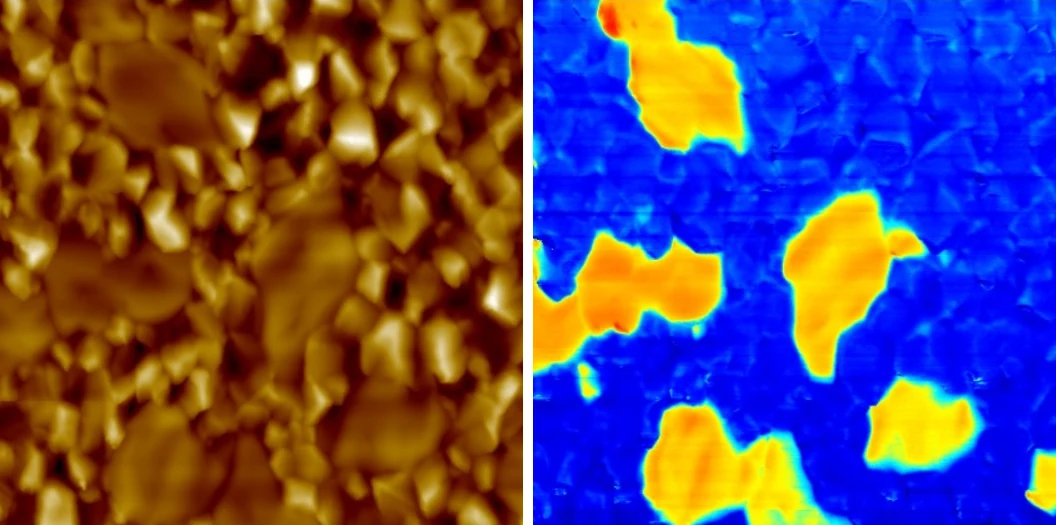
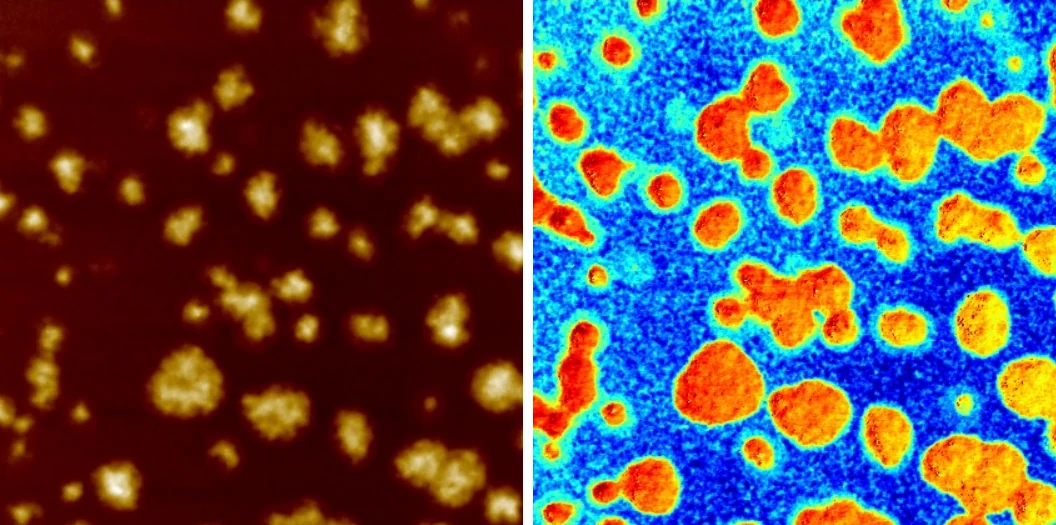
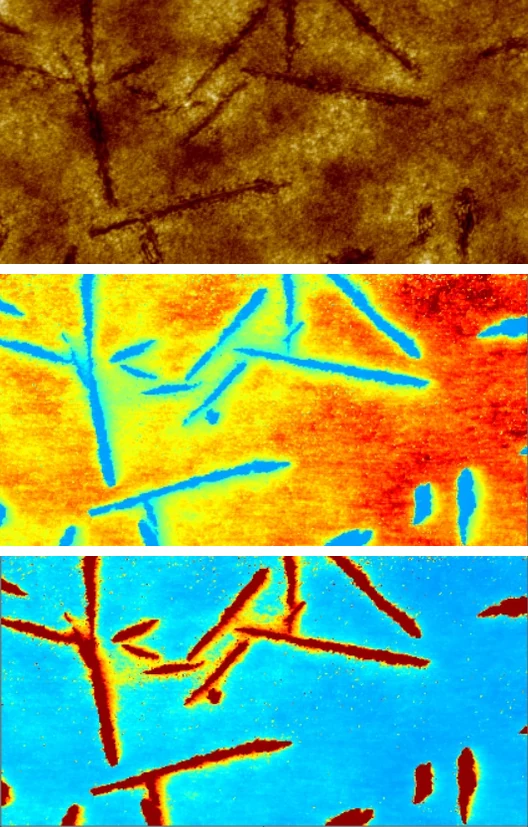
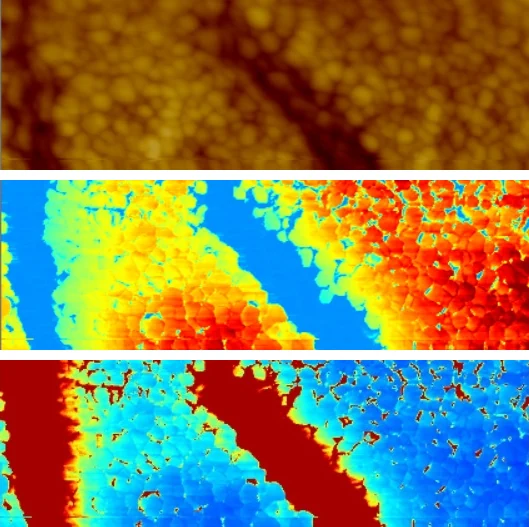
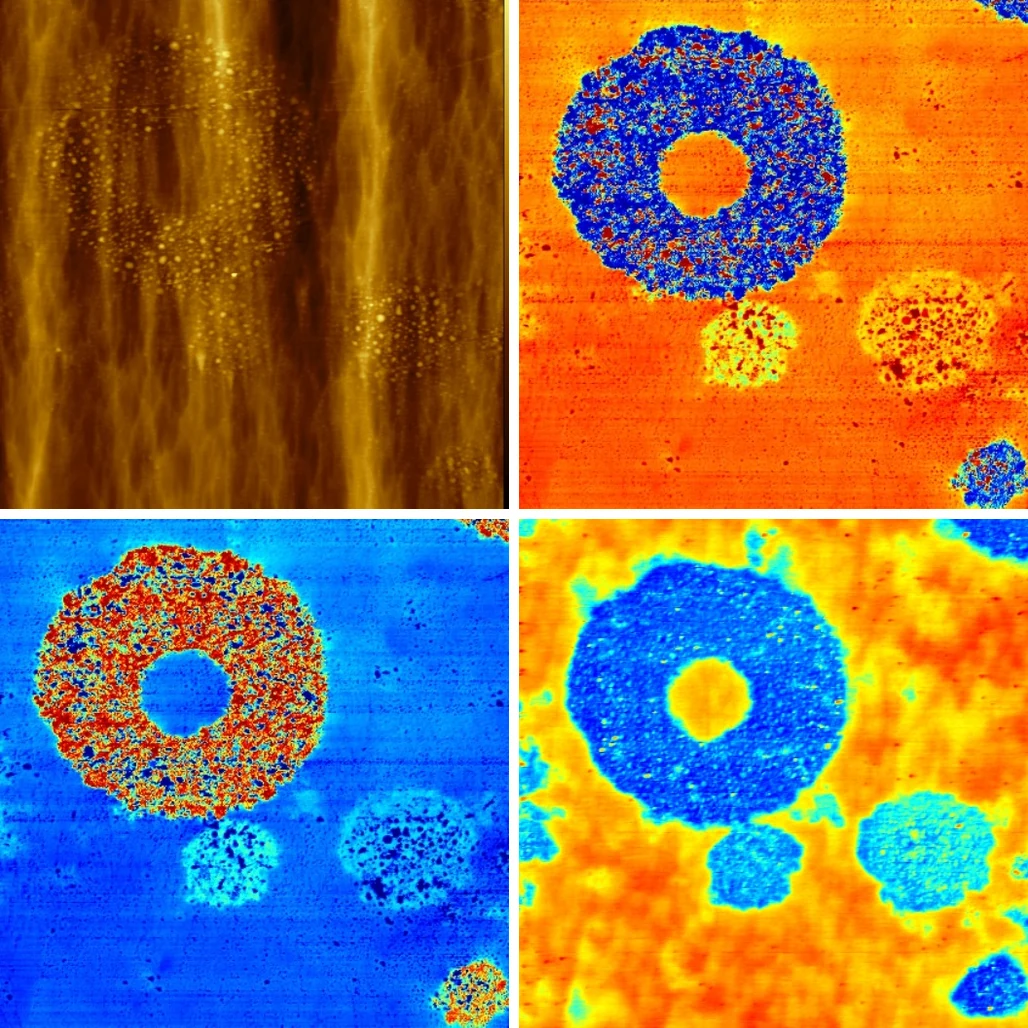
ResiScope maps clear conductivity from pA to µA; C-AFM saturates, adds capacitive effects and charges the surface.
01
The sample
A composite electrode layer on its current collector: pA binder, µA particles.
02
One scan, six decades of current
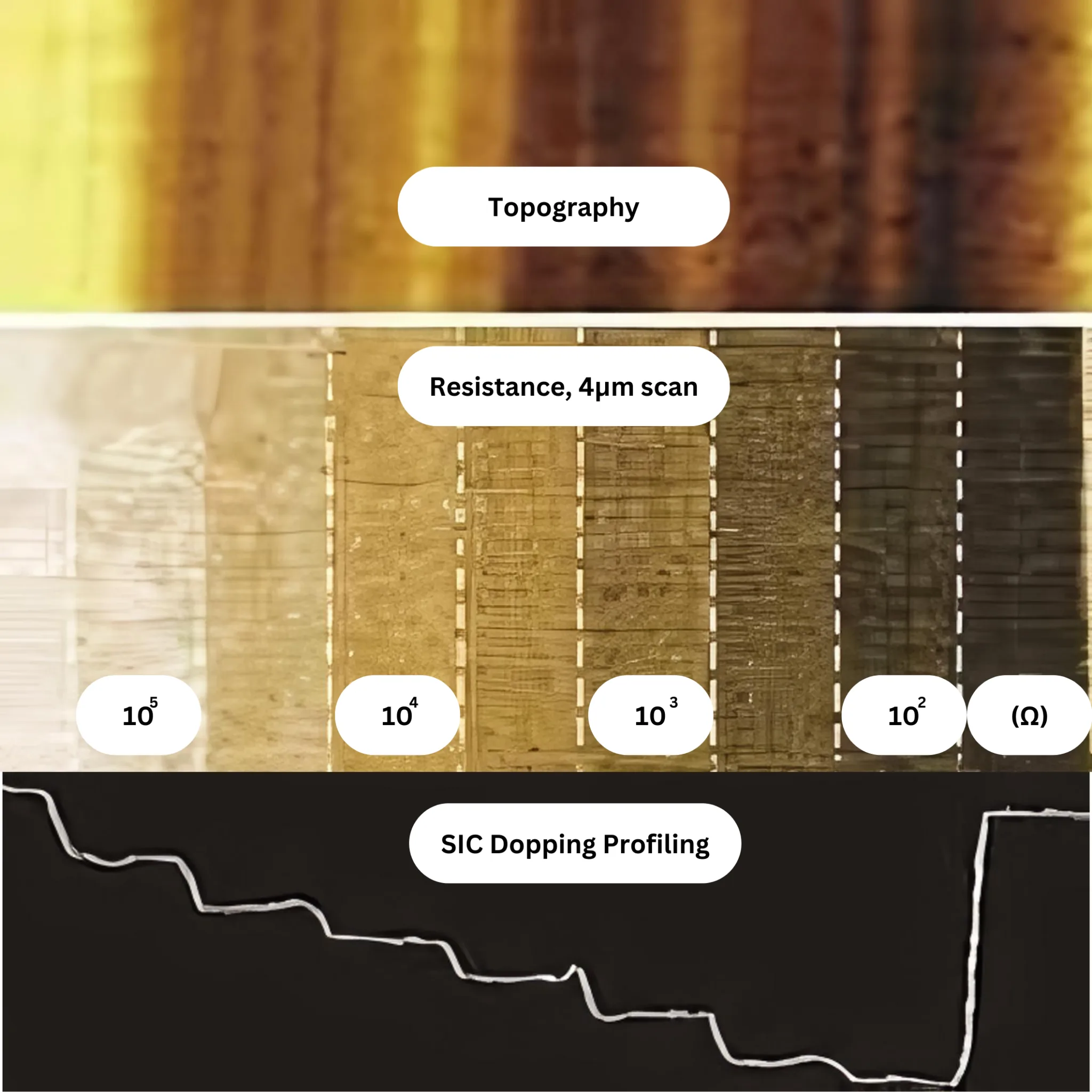
ResiScope follows the current across six decades.
03
A fixed range clips, and the surface charges
Saturation: every particle above 10 nA reads the same value.
04
The switch happens mid-scan
Soft Interaction Control: no shear, no scratching.
Images
Videos
Animated story
The same question, at the nanoscale
What a solar cell does under light depends on how the light arrives. Reproduce the angle, and you reproduce the condition, then measure the response where it happens, on the surface.
01
The same range the sun covers over a day
Irradiance follows the elevation, from 20° to 90°.
02
Reproduce the angle
…and you reproduce the condition the cell sees in the field.
03
The same sweep, on the microscope
Continuously adjustable on a graduated arc, locked at any angle onto the sample.