
Soft Interaction Control
The switch happens mid-scan
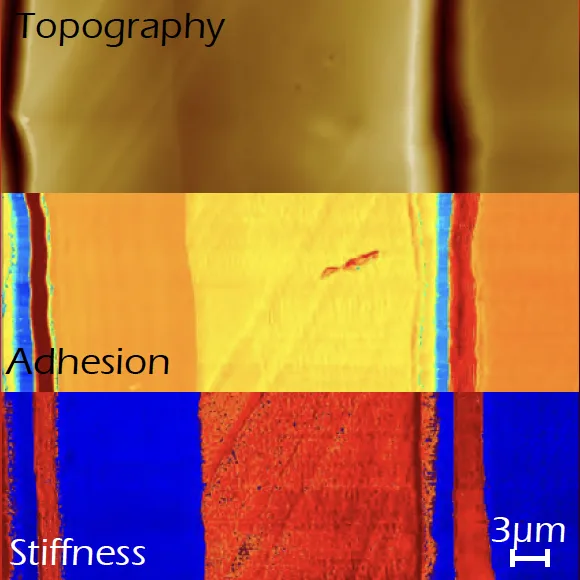
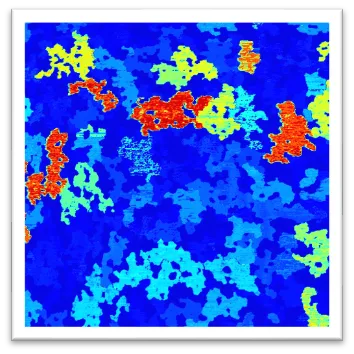
On a battery electrode, the scan changes from contact ResiScope to Soft Interaction Control halfway through — Soft IC improves the measurement without scratching the surface.
- No shear on the particle, no scratching
- Structure inside the particle becomes readable
- Resistance — 314 kΩ to 902 GΩ
Application fields
Key Features
Soft ResiScope
- Non-Destructive Measurements: Ideal for fragile and soft conductive samples
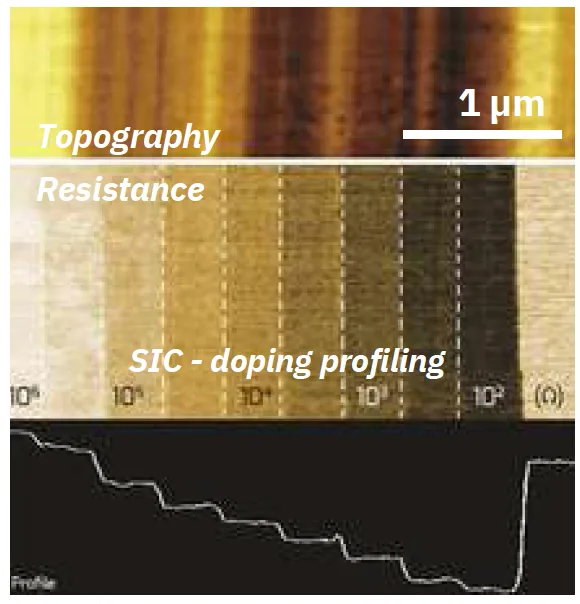
- Wide Measurement Range: Resistance from 10² to 10¹² ohms
- No Friction: Prevents sample damage and tip wear
- Constant Force: Ensures quantitative electrical measurements
- Intermittent Contact: Optimizes electrical measurement while preserving tip and sample integrity
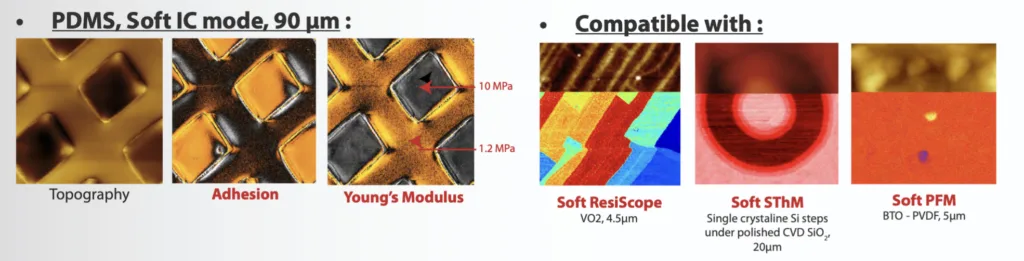
Soft Intermittent Contact : The 3rd AFM mode
- Combines precision of contact AFM with dynamic capabilities of resonant modes
- Ideal for delicate and soft materials
- Detailed mechanical and electrical measurements with minimal sample disturbance
- \1, Soft PFM, Soft ResiScope and Soft SThM
Soft IC Mode
- Adhesion
- Stiffness
- Young’s Modulus
Soft ResiScope
- Integrates intermittent contact AFM with detailed resistance and current mapping
- Wide range of resistance measurements (10² to 10¹² ohms)
- Excellent for fragile conductive samples and advanced material studies
Gallery
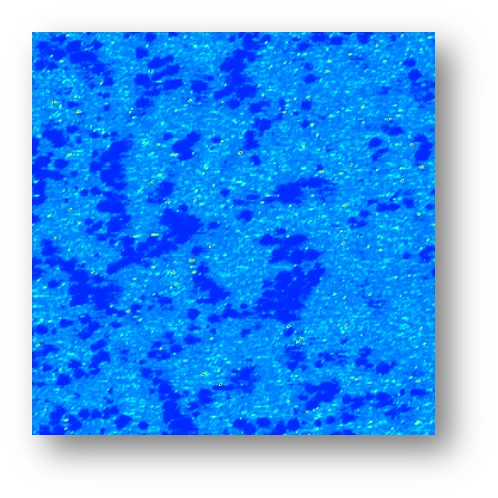
ResiScope™ results

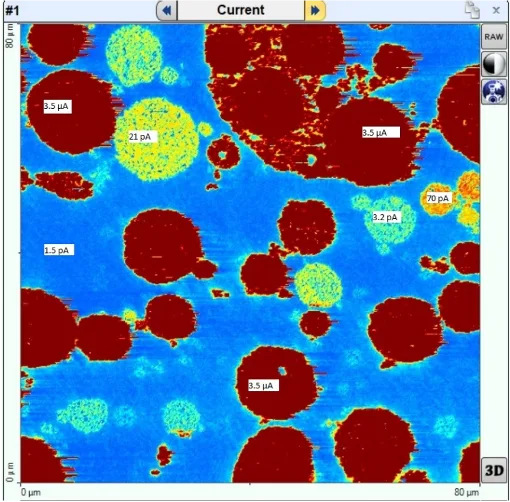
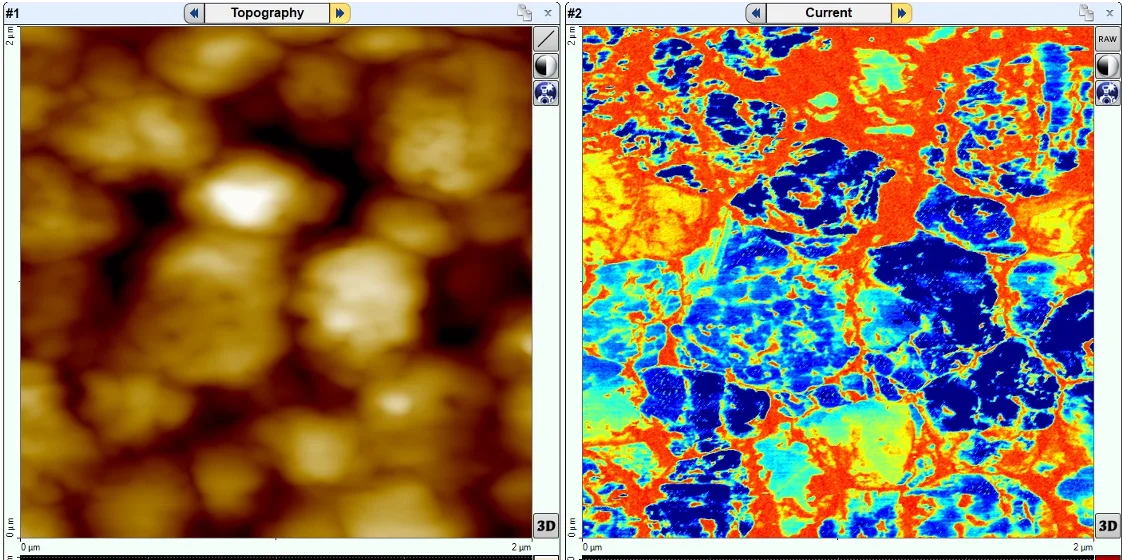
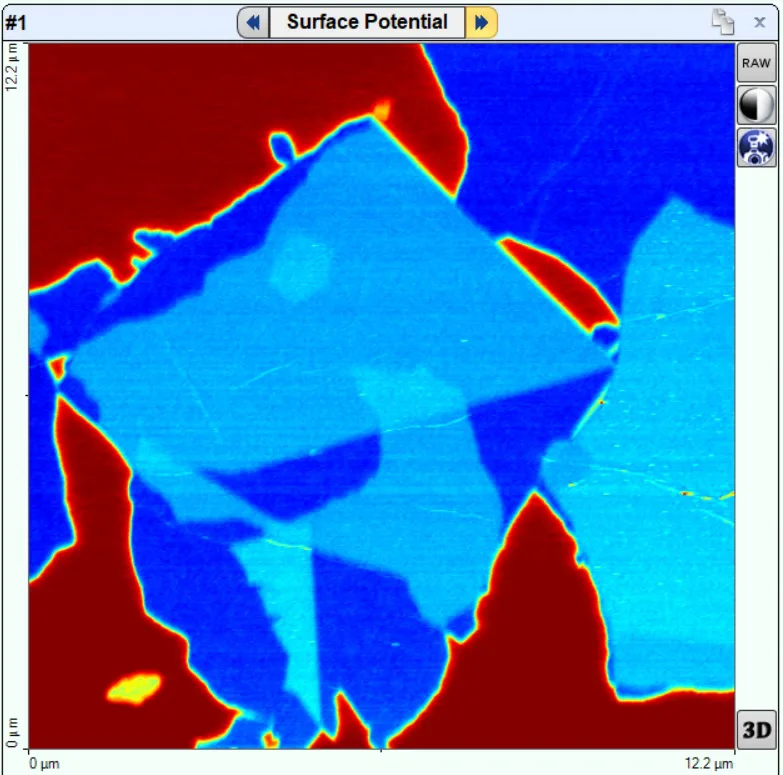
How does Soft ResiScope work?
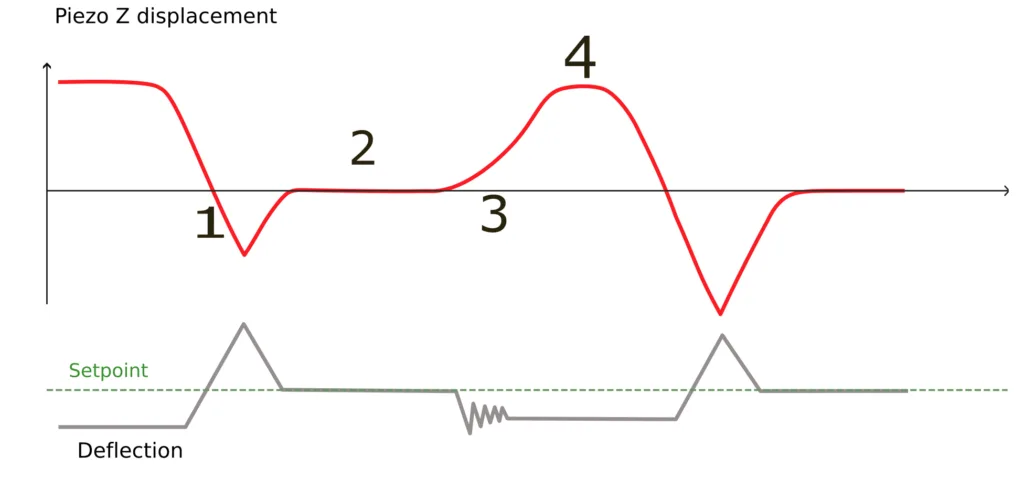
Soft ResiScope operates on an intermittent contact principle:
- The AFM probe makes brief, controlled contact with the sample
- During contact, a constant force is applied, allowing precise resistance and current measurements
- The tip is then retracted and moved to the next measurement point
- This cycle repeats, creating a comprehensive map of electrical properties without damaging the sample
Specifications
- Measurement Range: 10² to 10¹² ohms
- Compatibility: Nano-Observer AFM systems
- Supported Modes: Intermittent contact
- Data Output: Simultaneous topography and electrical property mapping
Quantitative Measurements
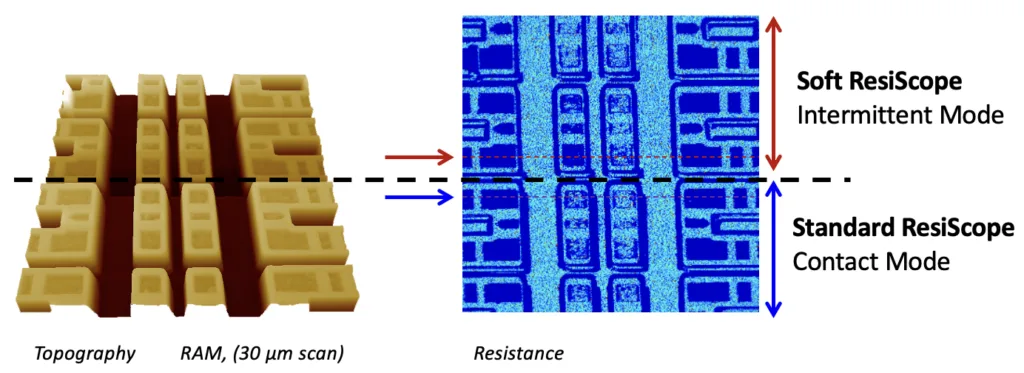
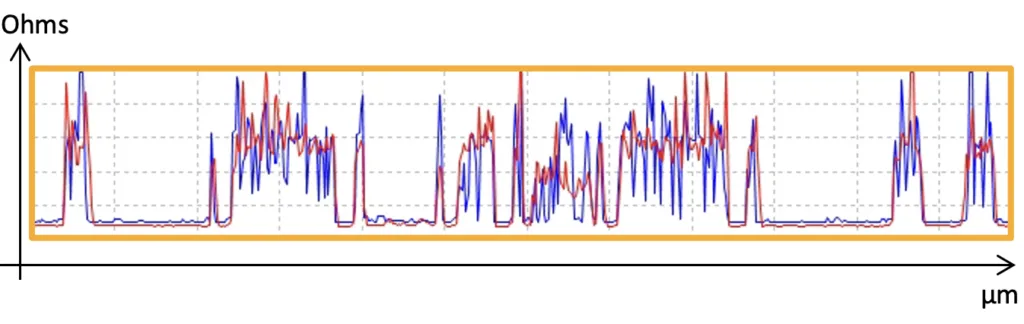
Soft ResiScope provides quantitative measurements comparable to standard ResiScope in contact mode:
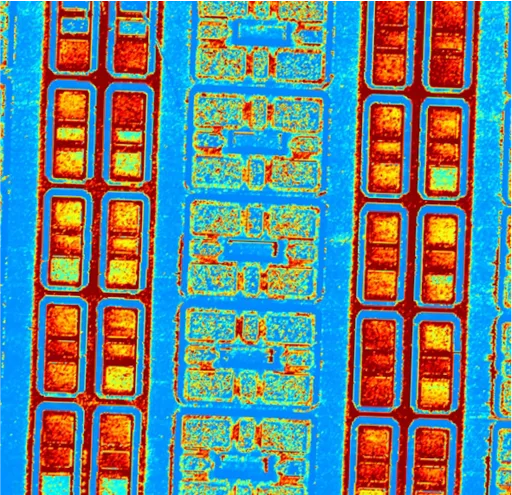
- Identical Results: Topography and resistance signals match between Soft ResiScope and contact mode ResiScope on standard electrical samples (e.g., SRAM)
- High Resolution: Maintains lateral resolution while ensuring quantitative measurements
Advantages Over Traditional Methods
Soft ResiScope vs. Standard ResiScope
Soft ResiScope vs. Oscillating/Contact Modes
- Sample Preservation: Prevents surface damage common in contact mode
- Equivalent Results: Produces data comparable to oscillating mode on fragile samples
- Versatility: Suitable for a wide range of materials, from polymers to biological samples
Questions about Soft ResiScope™?
Ask the application scientists behind our AFMs and modes — about your samples, probes, set-up or which mode fits your measurement. We answer every message personally.